
Table of Contents
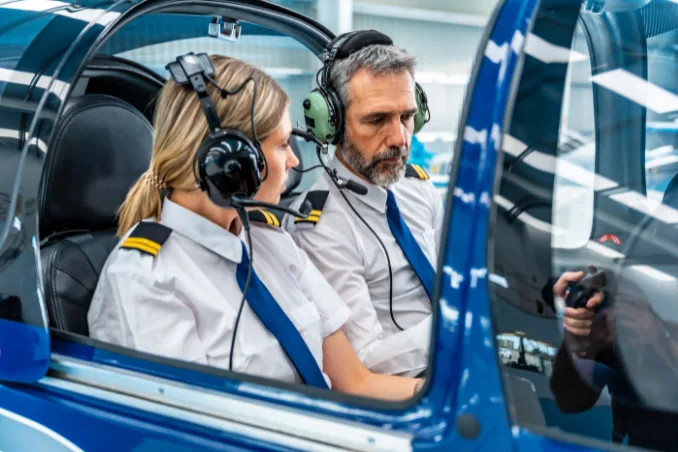
Helicopter pilot training, in short: a commercial helicopter licence is called a CPL(H). In India it is issued by DGCA; abroad it is issued by that country's regulator and then converted by DGCA. Pilots Assist helps Indian and international students plan the route, from medical and visa to a written cost.
Updated 30 October 2026. Rules and fees change: check the current DGCA and regulator requirements before you pay.
Helicopter training for international students
You can train for a helicopter licence in India or abroad. If you train abroad, your licence comes from that country's regulator, such as the FAA in the USA or SACAA in South Africa, and you convert it to a DGCA licence to fly commercially in India. We help you compare routes on cost, visa, weather and how the licence converts.
What is a CPL(H) helicopter licence?
The CPL(H) is the commercial pilot licence for helicopters. Most students start with a helicopter PPL or go straight into a commercial course. You must be at least 18 to hold a CPL(H) and you need a Class 1 medical. Take your DGCA medical first, so a medical problem shows up before you pay any fees.
Choosing a helicopter training school in India
Check that the school is DGCA-approved for helicopter training, how many serviceable helicopters and instructors it has, and its full written fee and refund policy before you pay. We do not rank or name schools; we help you check these points.
Where a helicopter licence can take you
Helicopter pilots fly offshore, emergency medical, tourism, charter and corporate work. Jobs and pay depend on the operator and your experience, and no training route guarantees a job. If you are still choosing, read our helicopter vs airplane pilot training guide.
Who can become a helicopter pilot in India?
To fly commercially in India you need a DGCA licence, and DGCA applies the same core rules to helicopter and aeroplane licences: Class 12 with Physics and Mathematics (or an equivalent such as NIOS), a DGCA Class 1 medical, and a minimum age of 18 to hold a commercial licence. Read our pilot eligibility guide and pilot age limit guide for the details.
How helicopter pilot training works, stage by stage
- Medical: get your DGCA Class 1 medical before you pay any training fees. See our DGCA medical guide.
- Choose a route: train in India for a DGCA CPL(H), or abroad and convert later.
- Ground subjects: study for and pass the theory exams for your licence.
- Flying training: build your hours with an instructor, then solo and cross-country flying, as your school's approved course sets out.
- Skill test and licence: pass the flight test and apply for your licence.
- If you trained abroad: convert your licence to a DGCA licence before flying commercially in India. Our DGCA licence conversion page explains the steps.
Helicopter or aeroplane: which should you choose?
Aeroplane pilots mostly aim for airline jobs. Helicopter pilots fly offshore, emergency medical, tourism, charter and corporate work, often closer to the ground and in more varied conditions. Helicopter flying hours usually cost more than aeroplane hours, so plan your budget carefully. Pick the route that fits the work you want to do. Our helicopter vs airplane pilot training guide compares the two in detail, and our helicopter CPL(H) programme page explains how we help.
How to plan the cost of helicopter training
Helicopter training costs depend on the country, the school, the helicopter type and how many extra hours you need. Instead of quoting a single number, we build a written budget for your route that covers training, living costs, visa (if abroad), exams, medicals and DGCA conversion, plus a contingency. Pilot training loans of up to ₹1 crore are available, subject to lender approval; our pilot training loans guide explains the options.
Questions to ask a helicopter school before you pay
- Is the school approved by the regulator for helicopter training, and can I see the approval?
- How many serviceable helicopters and instructors does it have per student?
- What is the full written fee, what does it include, and what happens if I need extra hours?
- How are fees paid, and what is the refund policy if I stop?
- What is a realistic timeline from start to licence?
- If I train abroad, have students converted this licence to a DGCA licence, and what documents did they need?
FAQ: helicopter pilot training
Q: Do you help with helicopter pilot training?
A: Yes. Pilots Assist helps students plan helicopter pilot training in India and abroad, including the licence route, medical, visa and a written cost for your route.
Q: What is a CPL(H)?
A: A CPL(H) is a commercial pilot licence for helicopters. In India DGCA issues it, just as it issues the aeroplane CPL. You must be at least 18 to hold it and you need a Class 1 medical.
Q: Can international students do helicopter training abroad and fly in India?
A: Yes, but a foreign helicopter licence has to be converted by DGCA before you can fly commercially in India. Check the current DGCA conversion requirements for your licence before you choose a school.
Q: How much does helicopter pilot training cost?
A: It depends on the country, the school and the aircraft type, so we give you a current written cost for your route before you commit. Pilot training loans of up to ₹1 crore are available, subject to lender approval.
Q: Can I become a helicopter pilot after 12th?
A: Yes, if you studied Physics and Mathematics in Class 12 (or an equivalent such as NIOS) and pass a DGCA Class 1 medical. You must be at least 18 to hold a commercial helicopter licence.
Q: Is helicopter training more expensive than aeroplane training?
A: Usually, because helicopter flying hours tend to cost more. The total depends on the country, school and helicopter type, so we build a written budget for your route before you commit.
Q: Can I get a loan for helicopter pilot training?
A: Yes. Pilot training loans of up to ₹1 crore are available, subject to lender approval. Lenders look at the course, the school, the student and the co-applicant.
Want help with your next step?
Every student's budget, marks, age and timeline are different. Book a free 20-minute call and we'll go through your options with current, written figures. We do not promise airline jobs, placements or licences; we help you plan with verified information.
For the official rules, see the DGCA website. Treat this guide on helicopter pilot training as a planning aid, and confirm every figure with the regulator before you pay anything.
Ready to plan? Book a free 20 minute call and we will turn helicopter pilot training into a costed route for you, or compare countries on our pilot training destinations page. Our advice on helicopter pilot training always starts from your budget and timeline.
Questions to settle before you choose helicopter pilot training
Helicopter pilot training attracts students for many reasons, from offshore and medical flying to tourism, survey work and training roles. Before you compare schools, decide which kind of work you want, because that shapes the hours, ratings and experience you will need after the first licence. Write down the roles that interest you and ask a working pilot, or an advisor, how people usually reach them.
Next, check the medical and eligibility rules for your regulator. Helicopter pilot training uses the same type of medical certificate as other commercial flying, so book the medical early and treat it as the first gate. If a medical issue is found after you have paid for training, the cost is hard to recover, so the sequence matters.
What a good school should be able to show you
A school offering helicopter pilot training should show its regulator approval, the aircraft types it flies, the number of instructors and the average time students take to finish. Ask to see the training plan hour by hour and how much of it is flown in the aircraft and how much on the ground. Ask how often aircraft are unavailable and what happens to your schedule when that occurs.
Look at the flying environment as well. Helicopter pilot training in a busy airspace teaches radio work early, while a quiet area gives more hours at lower cost but fewer chances to practise with air traffic services. Neither is wrong, but you should know which one you are buying and whether it matches the job you want later.
Planning the cost and the timeline
Costs in helicopter pilot training are driven by the hourly rate of the aircraft, the number of hours needed and the extras such as exams, accommodation and visas. Ask for a written breakdown and check which items are fixed and which depend on how quickly you progress. Students who miss lessons or need extra hours to reach a standard pay more, so build a buffer into your budget rather than relying on the minimum figure.
Timelines also vary with weather and aircraft availability. A plan that looks like a few months on paper can stretch if flying days are limited. Ask the school how many flying days it typically gets and how it handles delays, and compare that with your own deadline for funding or visas.
After the licence: building experience
Most new helicopter pilots need to build experience before they are hired for the roles they want. Some become instructors, others take entry level flying jobs, and some move into specialised roles after additional ratings. Plan for this period in your finances and your timeline, because the first licence is the start of the route and not the end of it.
Keep your logbook complete and your medical valid, and keep notes of the contacts you make during training. Many opportunities arise through instructors, classmates and operators you meet along the way. If you want help comparing options for helicopter pilot training, a short free call with an advisor can help you line up schools, costs and rules on one sheet and decide your next step with clear information.