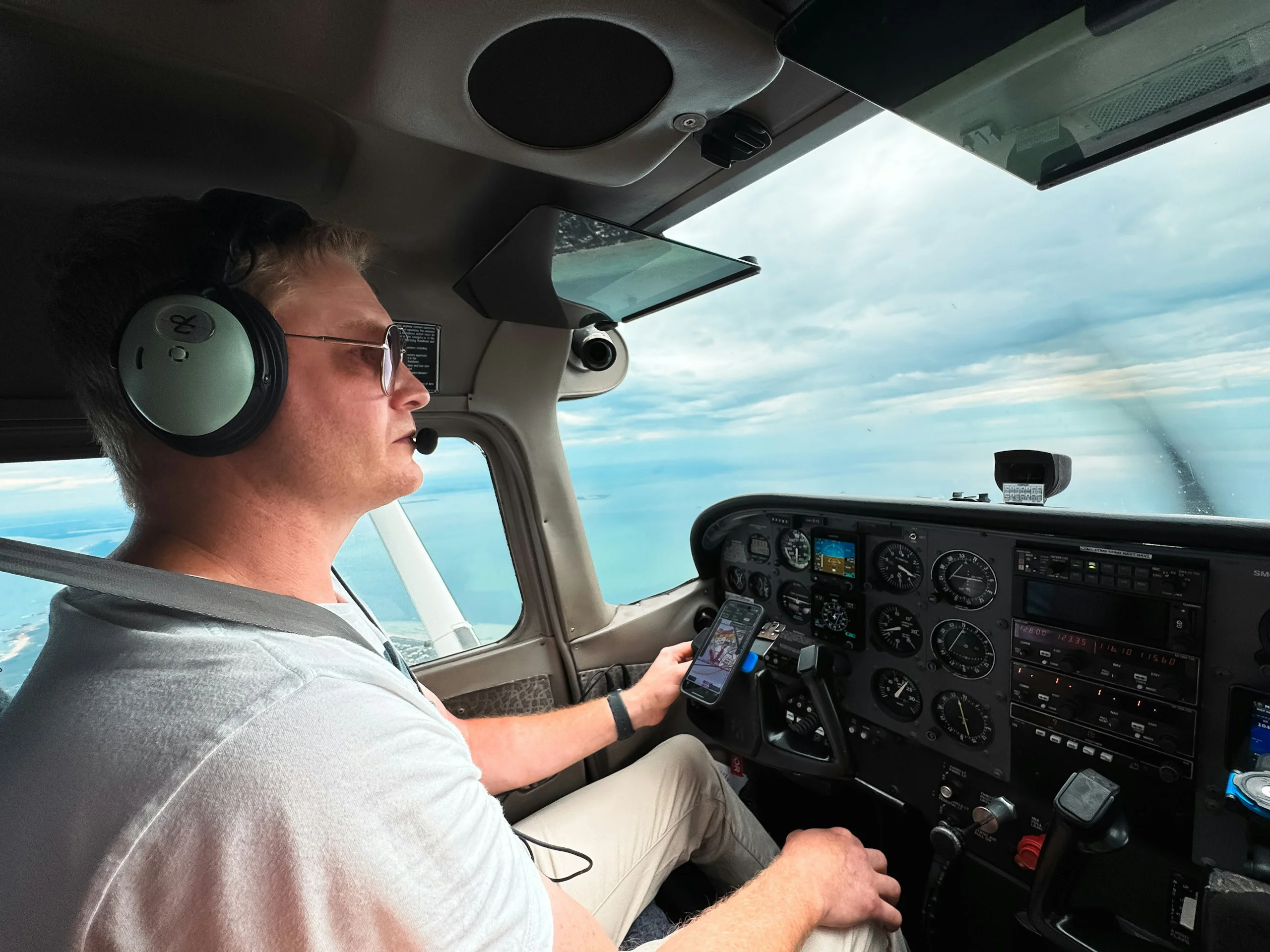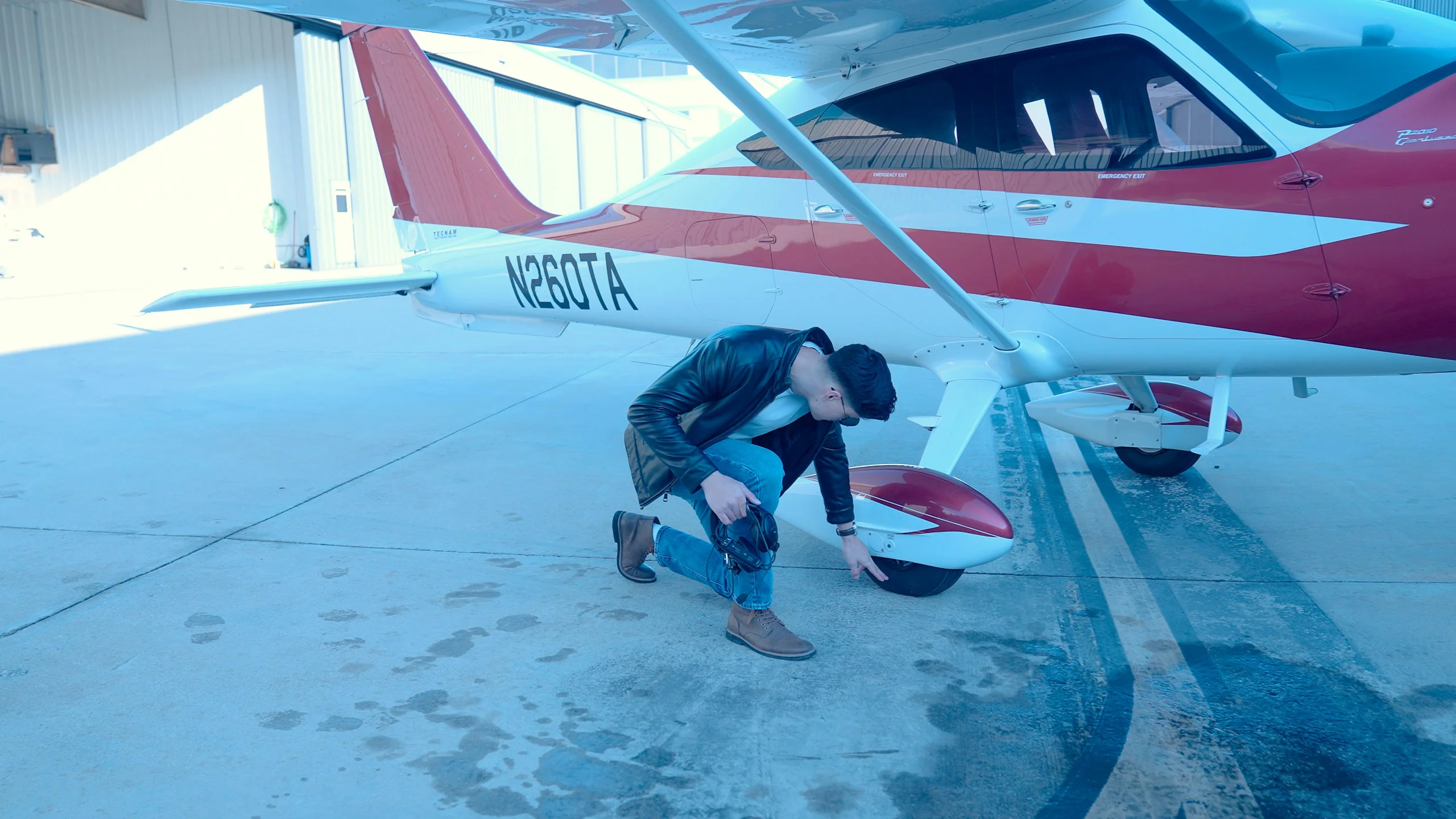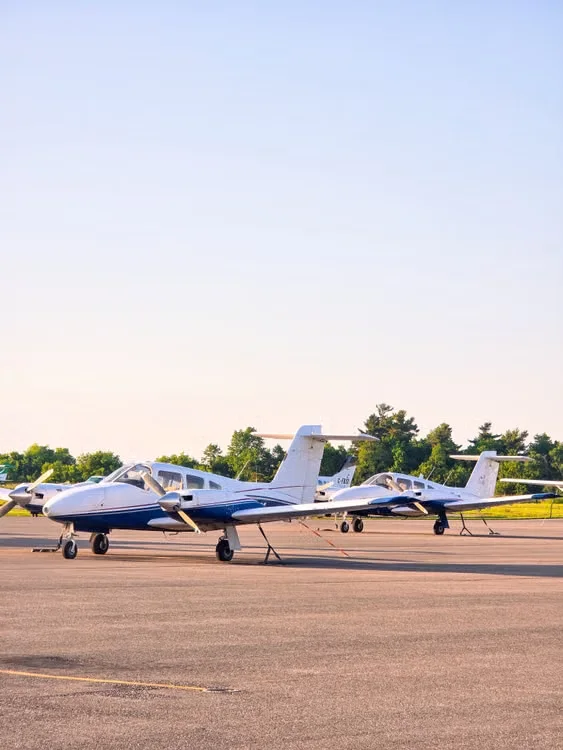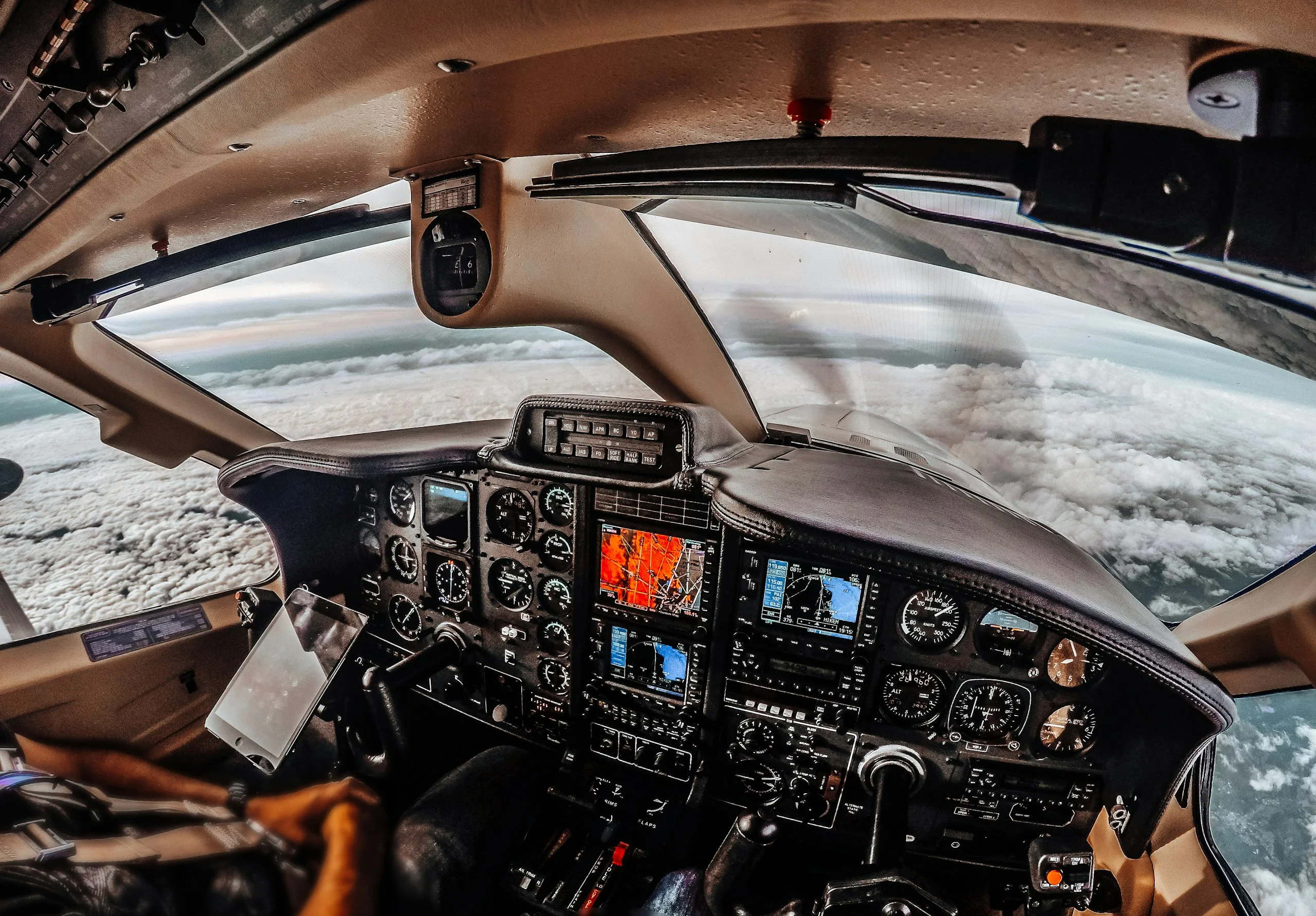
Pilot training abroad, one plan built around you
Train at independent partner flight schools in Australia, the USA, South Africa, Germany, the Philippines, Indonesia and Namibia. We match you to the destination and school that fit your budget, your timeline and the licence you want to fly on at home, then stay with you until it is in your hand.
- Seven destinationsAustralia, USA, South Africa, Germany, the Philippines.
- One sequenceMedical, PPL, hours, Instrument, multi-engine, CPL.
- Honest costIndicative ranges, costed plan in writing.
- ConversionYour home licence planned from day one.
- One advisorFrom enquiry to licence.
- ParentsWelcome on every counselling call.
PADestinations
Choose where you will earn your wings
Weather, airspace, aircraft availability, visa route and cost all change with the country. Open a destination to see how training works there. Ranges are indicative; the school confirms its fees in writing.
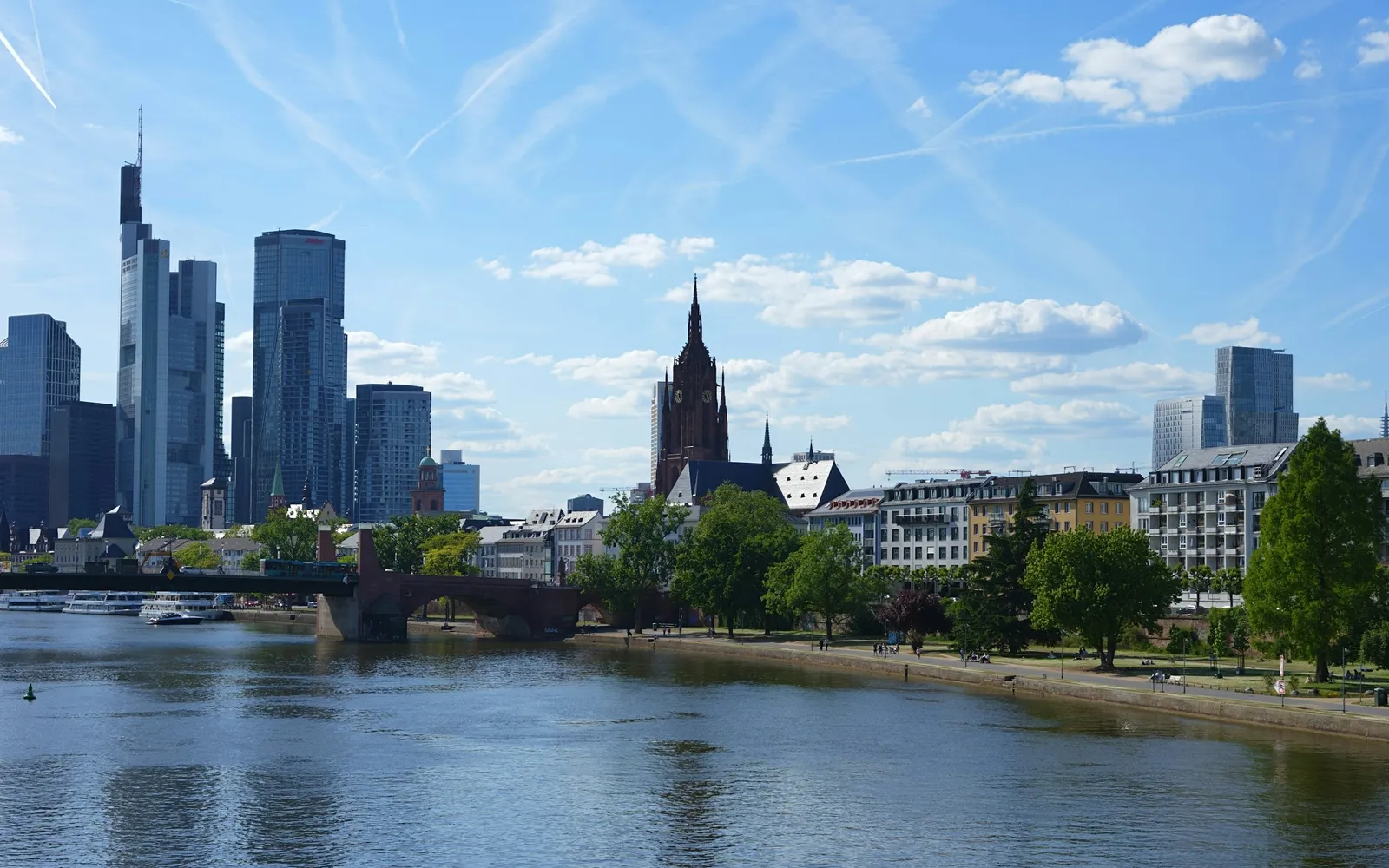
EASA licence
Germany
An EASA licence, used across EU member states.
Indicative CPL course feeEUR 70–100k
CPL training in Germany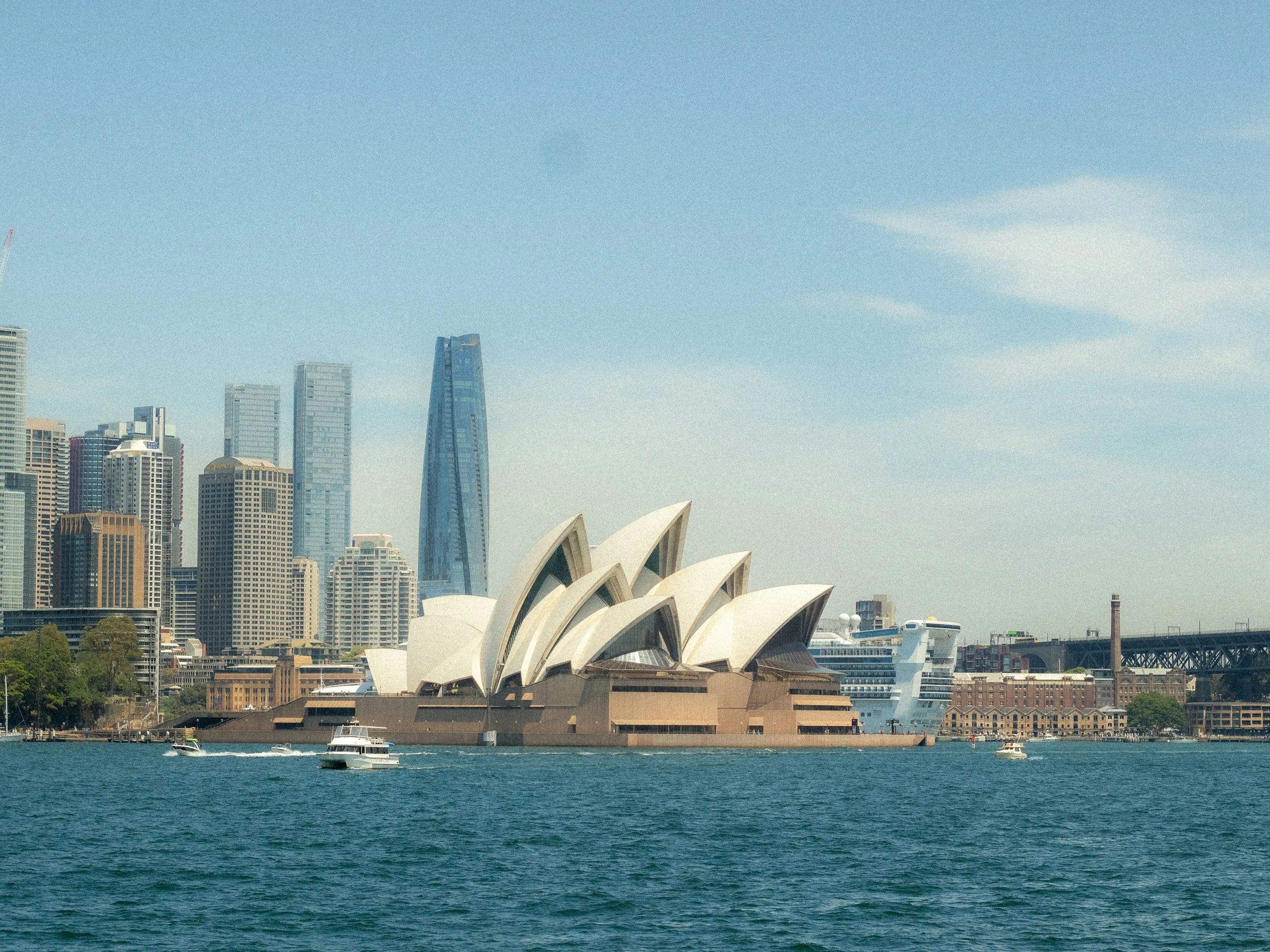
CASA licence
Australia
Open airspace and a structured CASA CPL syllabus.
Indicative CPL course feeAUD 90–130k
CPL training in Australia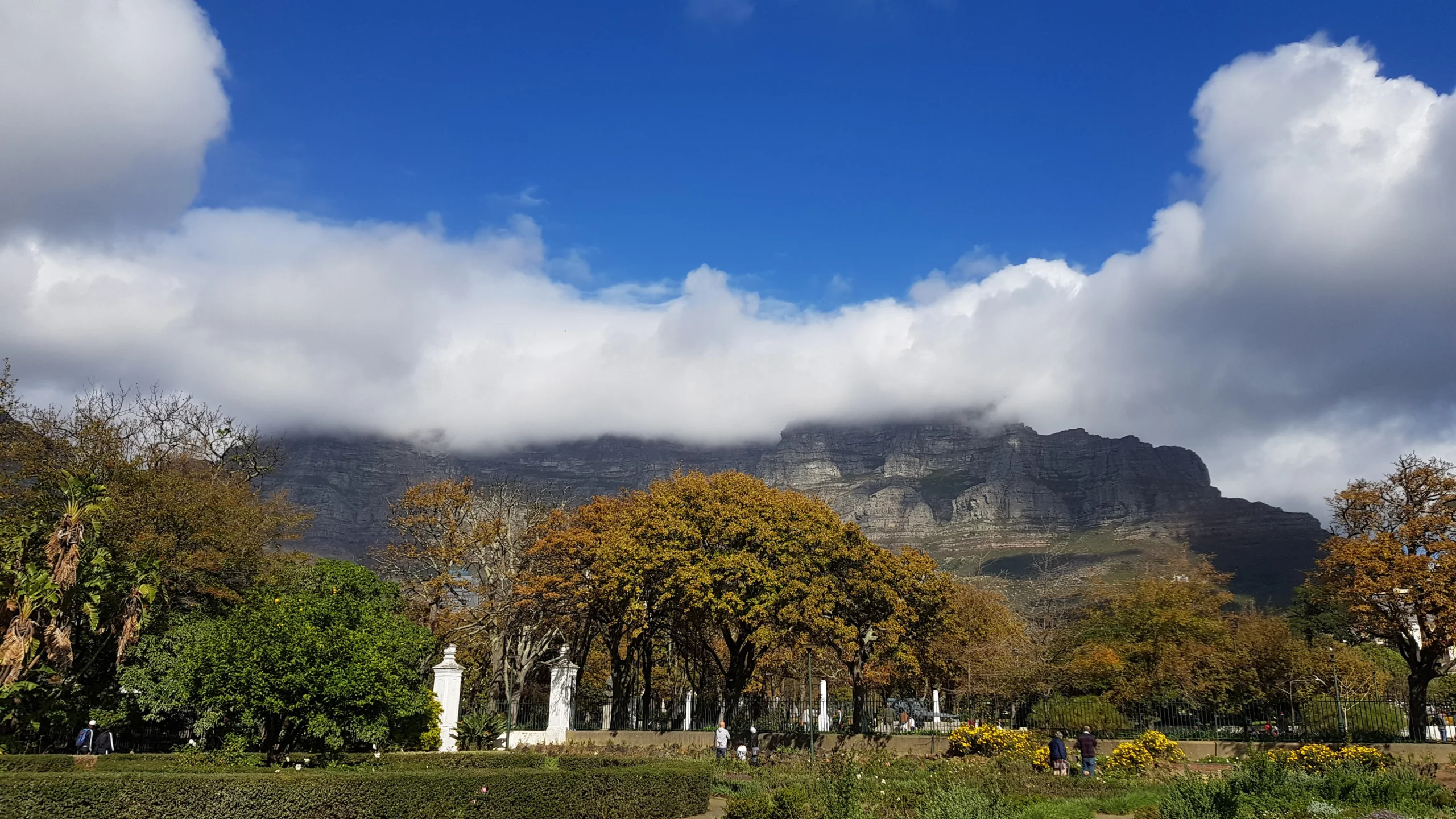
SACAA licence
South Africa
Year-round VFR weather and a 14–18 month CPL route.
Indicative CPL course feeZAR 650–980k
CPL training in South Africa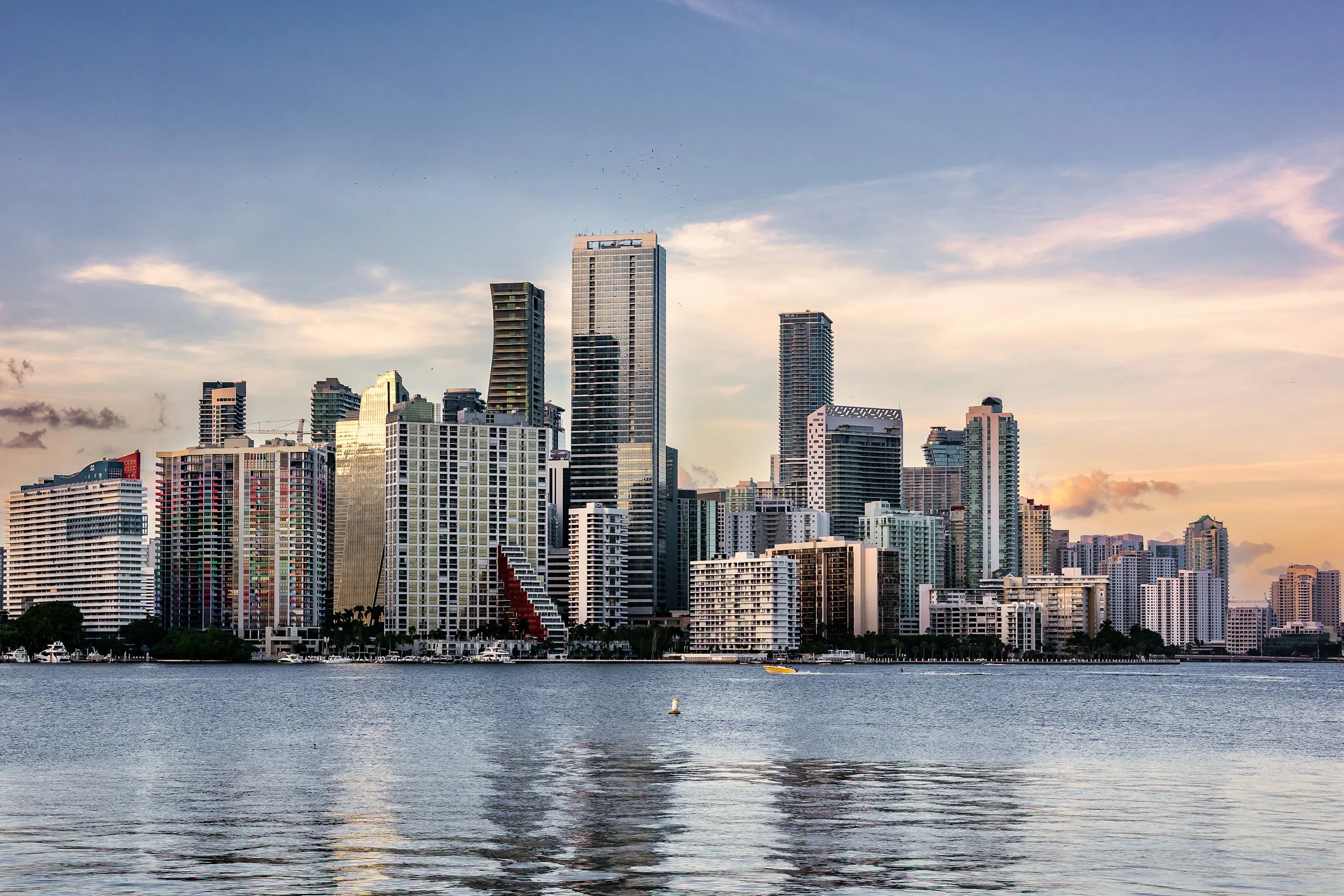
FAA licence
USA
Busy, varied US airspace and FAA training standards.
Indicative CPL course feeUSD 70–90k
CPL training in USA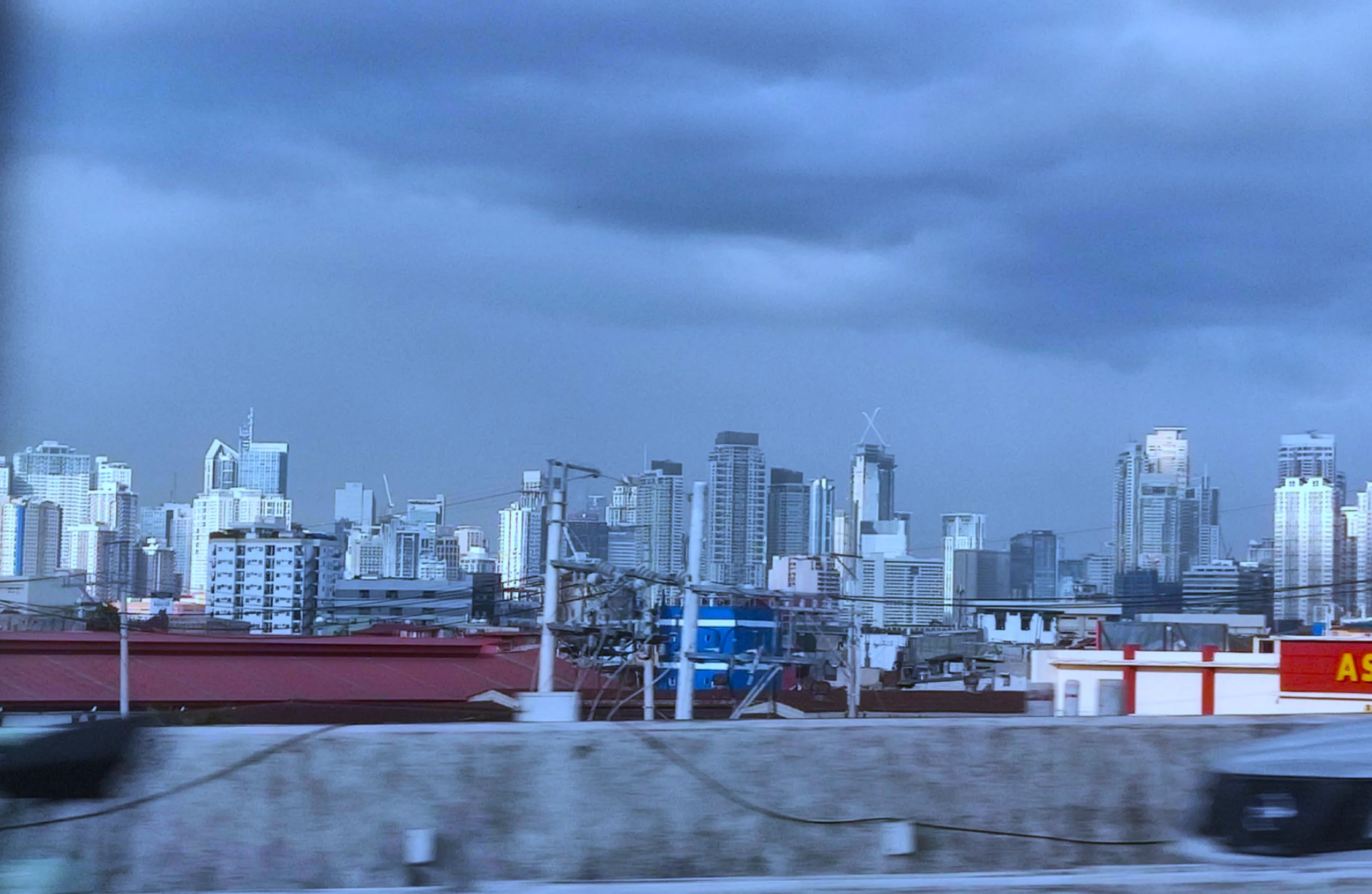
CAAP licence
Philippines
English-language training under CAAP, close to Asian hubs.
Indicative CPL course feePHP 2–3.5M
CPL training in Philippines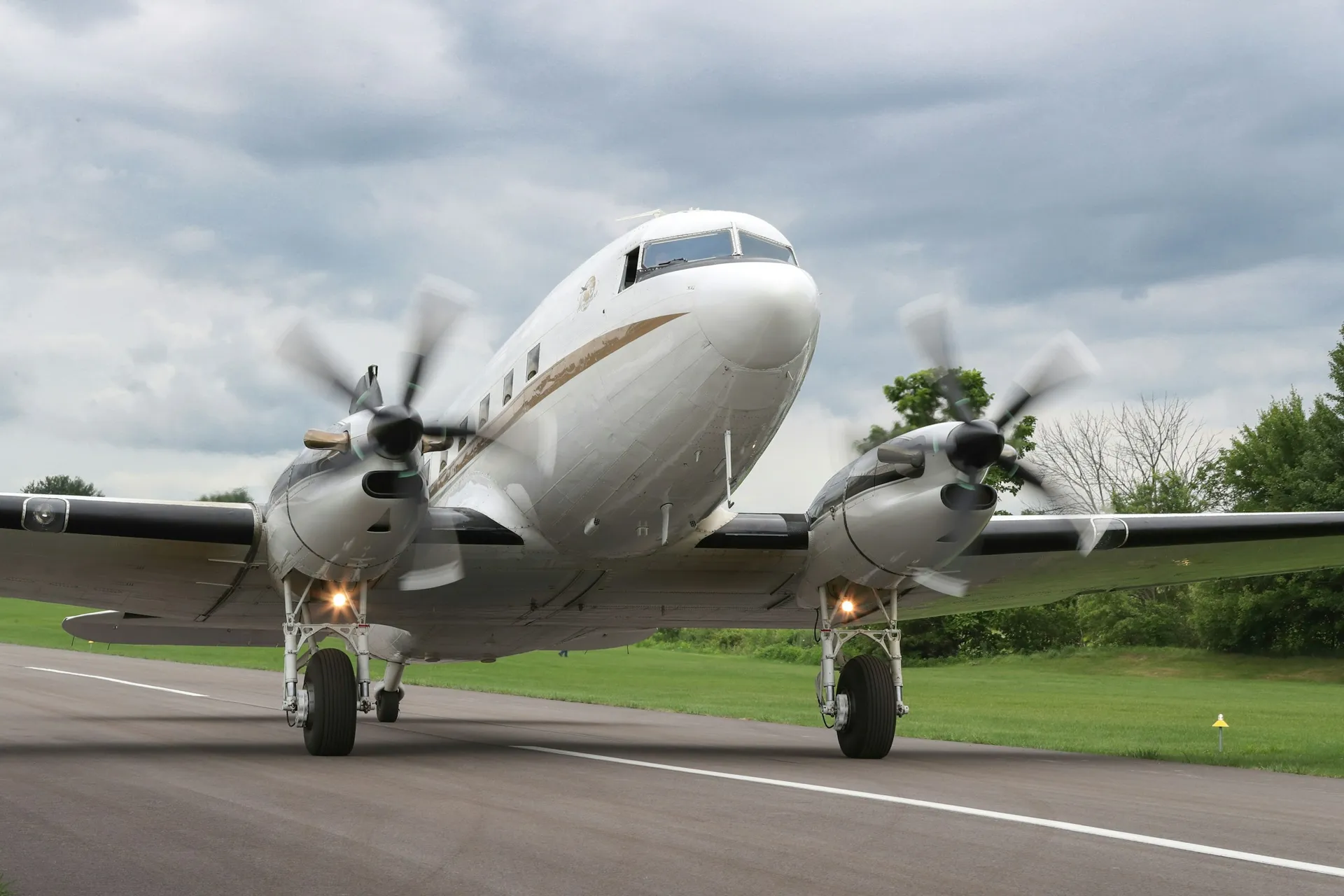
DGCA Indonesia licence
Indonesia
A CASR Part 61 CPL, close to South-East Asian home markets.
CPL training in Indonesia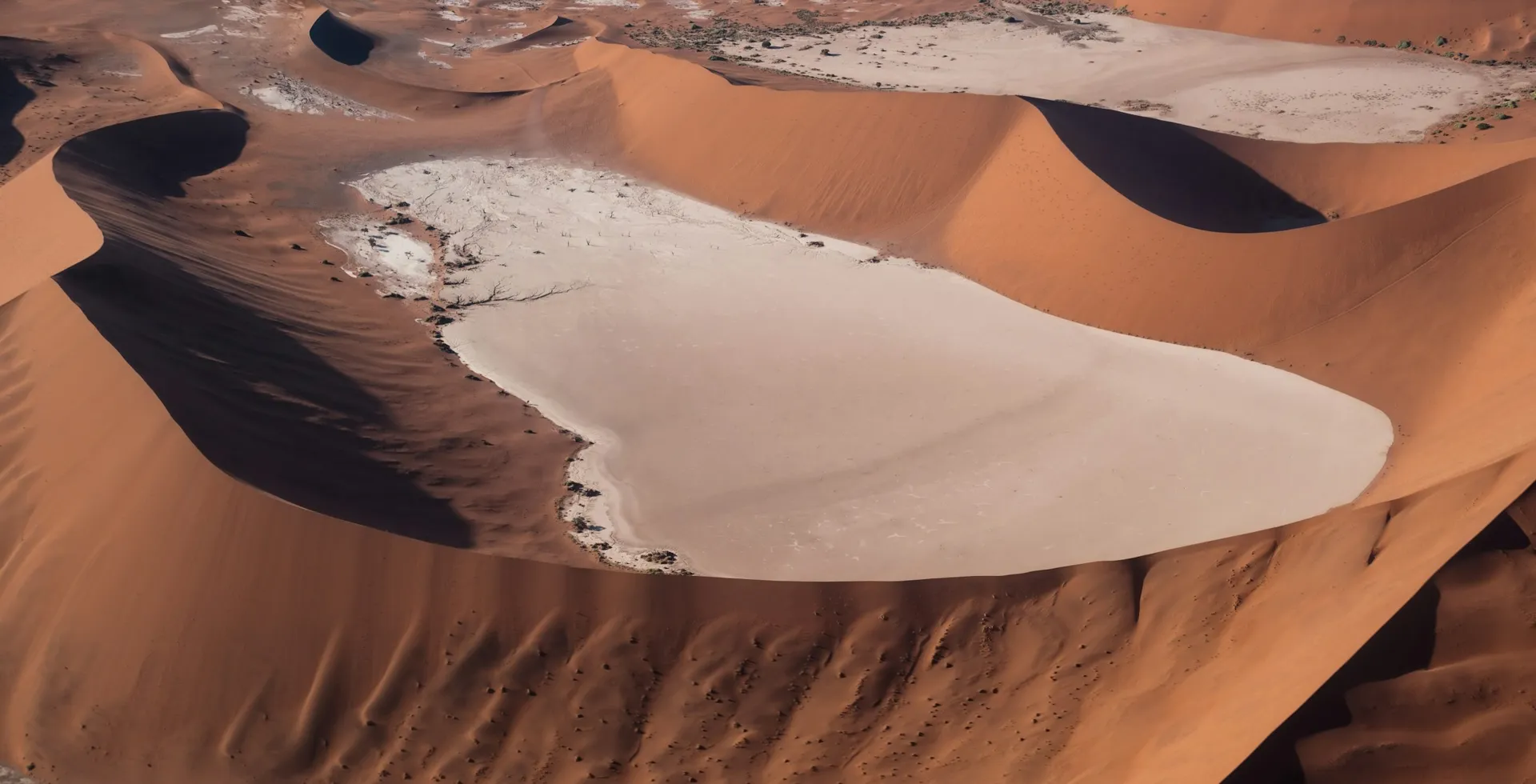
NCAA licence
Namibia
Dry, sunny weather and an English-speaking country.
CPL training in NamibiaPAThe licence ladder
A commercial licence is a sequence, not a purchase
Doing ratings in the wrong order is one of the most expensive mistakes in flight training. We plan the whole sequence with you before you book a single hour.
- 1Class 1 medicalCleared before any money moves, so you never pay for training you cannot legally use.
- 2Private Pilot LicenceFirst solo, circuits and navigation: the airmanship everything else is built on.
- 3Hour buildingCommand time across real cross-country distances. Destination choice matters most here.
- 4Instrument RatingFlying by instruments alone, the rating every airline career depends on.
- 5Multi-engine ratingEngine-failure handling on a light twin, the rating operators look for first.
- 6CPL and conversionSkill test, licence issue, then the steps your home regulator needs to convert or validate it.
- 5destinations compared side by side
- 6steps on the licence ladder
- 1advisor from enquiry to licence
PAWhat's included
What we actually do for a fixed-wing student
- School shortlisting against your budget, timeline and weather tolerance
- School interview scheduling and admission documentation
- Help preparing education-loan applications
- Student-visa file preparation and appointment tracking
- DGCA Computer Number, exam registration and ground-class planning for Indian students, and the equivalent steps for your own regulator
- Arrival and accommodation planning for your destination
- Regular progress check-ins with your school
- Licence-conversion planning for home
- Help applying to airlines after your licence
- Help getting into an OJT (On-the-Job Training) programme, where available
PACareer outcomes
Where a fixed-wing CPL takes you
Airline selection and hiring are decided by employers. We help you prepare and plan, and we never promise a job.
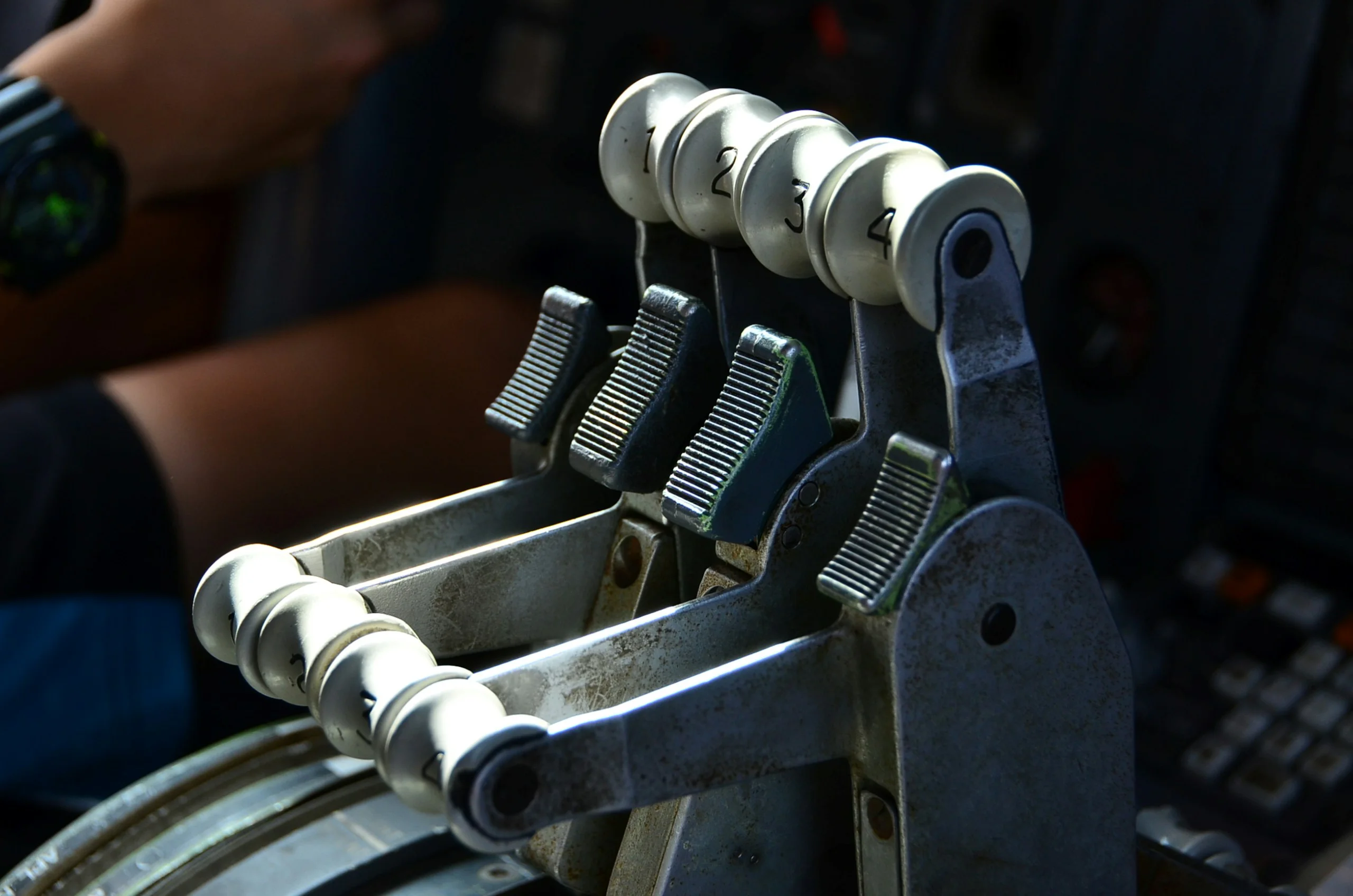
Scheduled airlines
First officer roles after airline selection and a type rating on the aircraft the airline flies.
Corporate and charter
Business jet and turboprop operations, often a faster route to command.
Flight instructing
Build hours and experience by teaching, a route many pilots use, especially in the USA.
Cargo and freight
Demanding night and instrument flying early in your career.
Survey and aerial work
Mapping, photography and patrol flying that build varied command time.
Government and utility
Calibration, coastguard support and state aviation roles.
PAPlan the detail
Compare, cost and fund
Compare
Compare destinations
Regulator, strengths and what to think about, side by side.
Compare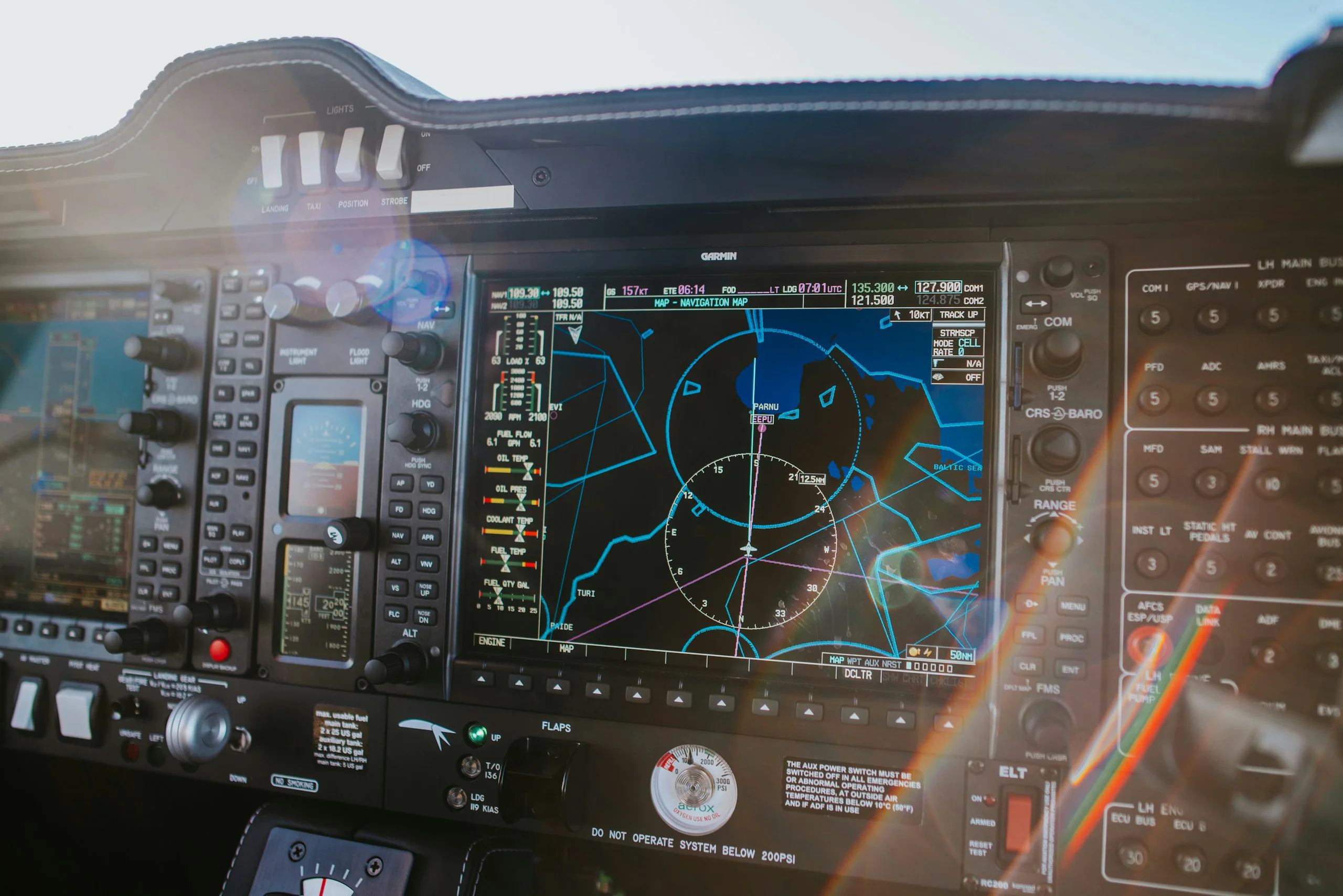
Fees
The full cost of your licence
Indicative fees by destination, and what a completion budget covers.
See costs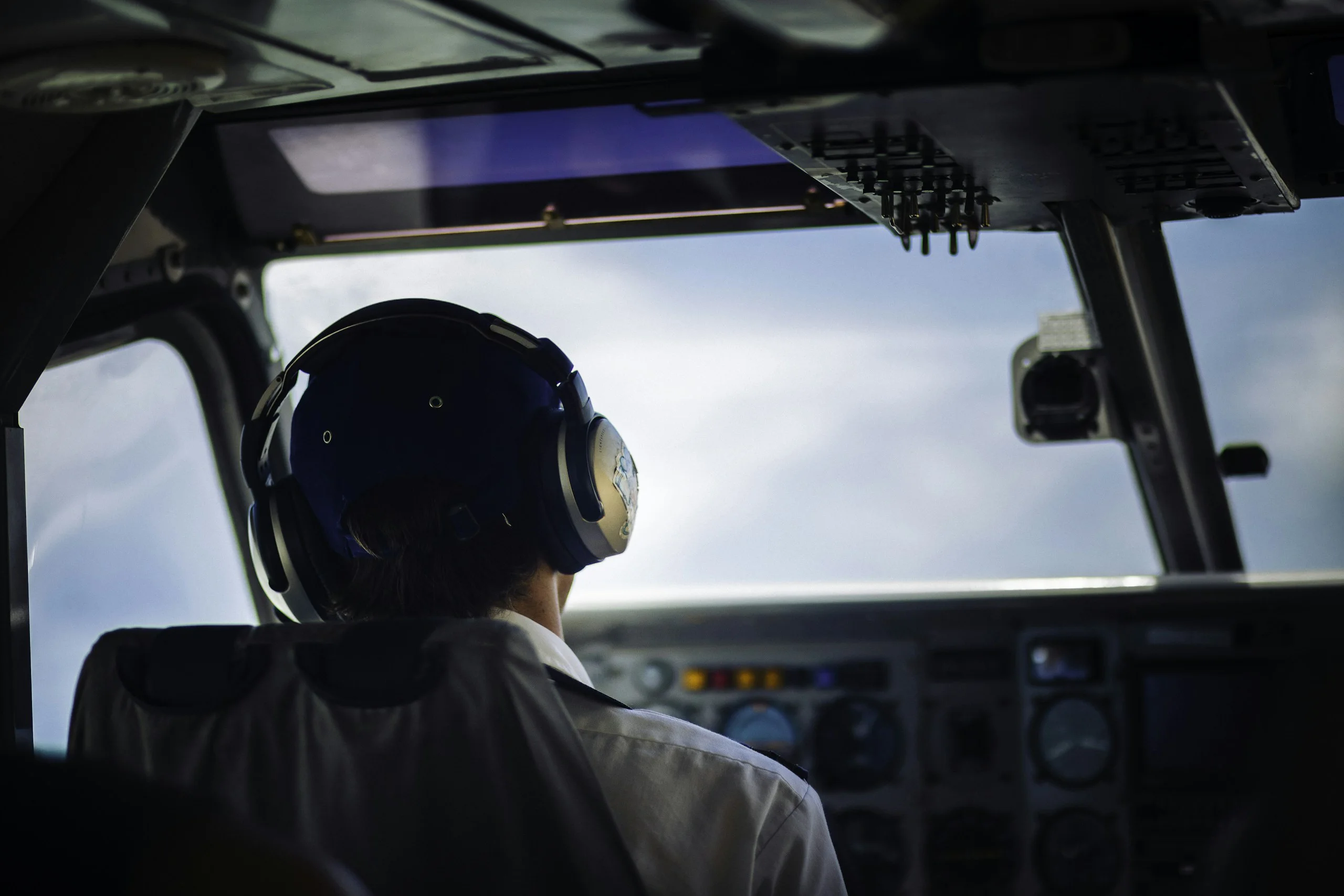
Finance
Training finance and Pilots Sky Lend
How families fund training, and our education-loan application support for students from India.
FinancePASide by side
Seven countries. One goal: your licence.
Every destination trains to its own national regulator. The right choice depends on your budget, your timeline and the licence you want to fly on at home.
Your advisor turns this into a costed plan in each country's own currency for your top choices, with the same cost headings for each so you compare like with like.
PALike with like
The same headings for every option
- Ground school and flight training
- Instructor, briefing and landing fees
- Accommodation, travel and living costs
- Student visa and insurance
- Examinations and licence conversion at home
- A contingency for weather, maintenance and re-tests
PAHow we compare
Compare on equal terms
- 1Confirm eligibilityResolve medical, academic and passport readiness first.
- 2Verify the school optionsCompare approval, fleet, instructors and student throughput.
- 3Model complete costsUse the same inclusions, delay and contingency headings for every option.
- 4Map conversionDocument records, verification, exams and return-stage timing.
- 5Choose against personal riskWeigh finance, logistics and continuity for your own circumstances.
PAWhat student assist covers
We've got you covered while you train abroad
- Help with flight delays, missed connections and arrival problems
- Help with accommodation disputes, relocation and roommate issues
- Help with medical emergencies, insurance claims and hospital coordination
- Help with training progress stalls, instructor changes and aircraft downtime
- Help with fee questions, invoice clarifications and refund escalations
- Help with visa extensions, document renewals and compliance deadlines
PAHow it works
One team, from enquiry to licence
One number
Phone, WhatsApp and email to the Pilots Assist team: +91 97779 71598.
Support where you train
Your advisor works with the school and its student-welfare team wherever you are training.
Family updates
Regular progress updates for parents, so nobody is guessing back home.
Named escalation path
Every case has an owner. Unresolved issues move up, not sideways.
Document tracking
Licences, logbooks, medicals and visas tracked so renewals are never missed.
After training
Support continues through conversion and your first airline applications.
PAWhat you get
Trained for the work operators do
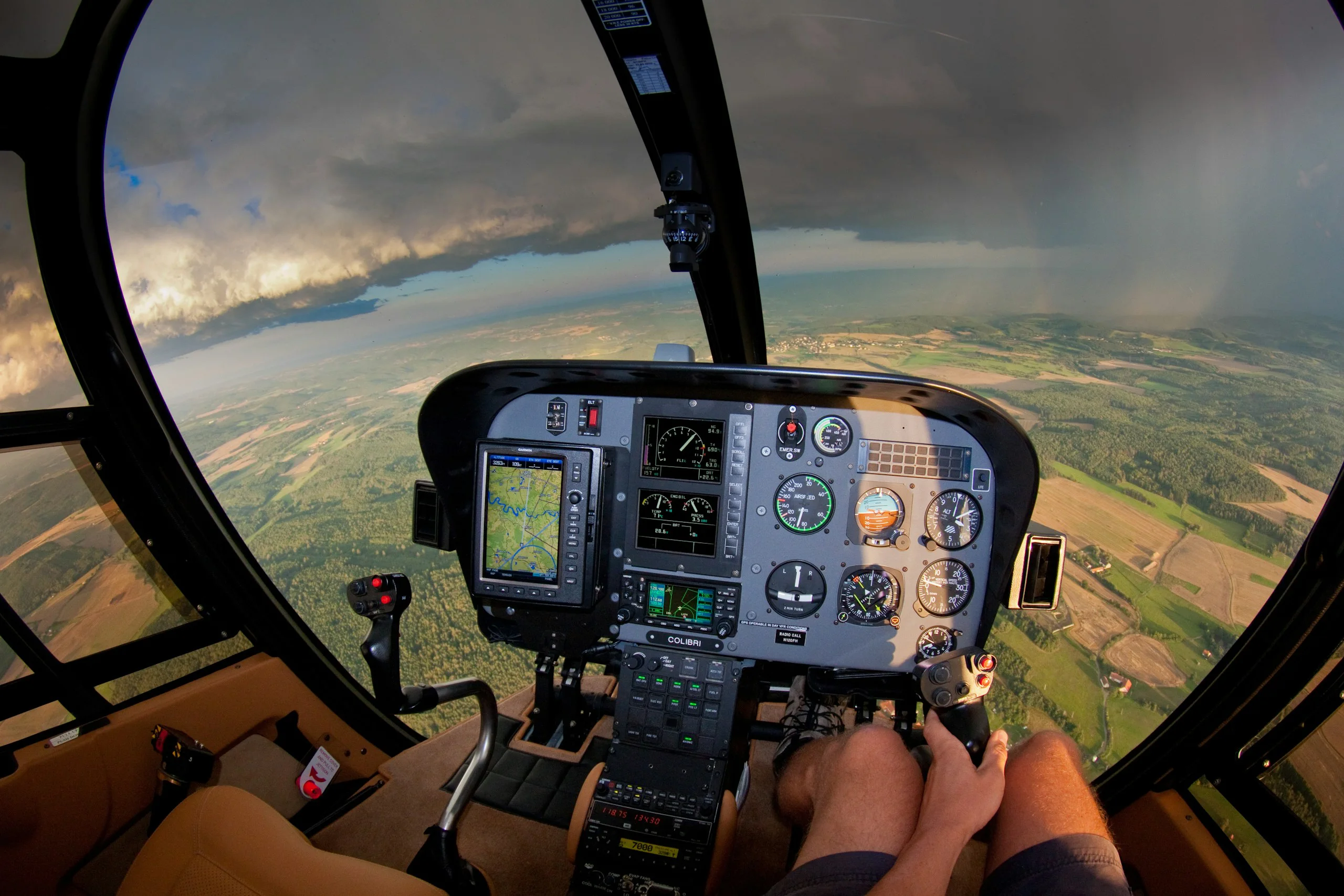
Ab-initio to commercial
Piston trainers for ab-initio training and hour building.
Confined areas
Confined-area, sloping-ground and mountain operations.
Night exposure
Night and instrument exposure where the school supports it.
Test standard
Autorotation proficiency to commercial test standard.
Crew skills
Human factors and crew resource management.
Turbine differences
Turbine differences training where the school offers it.
PAStep by step
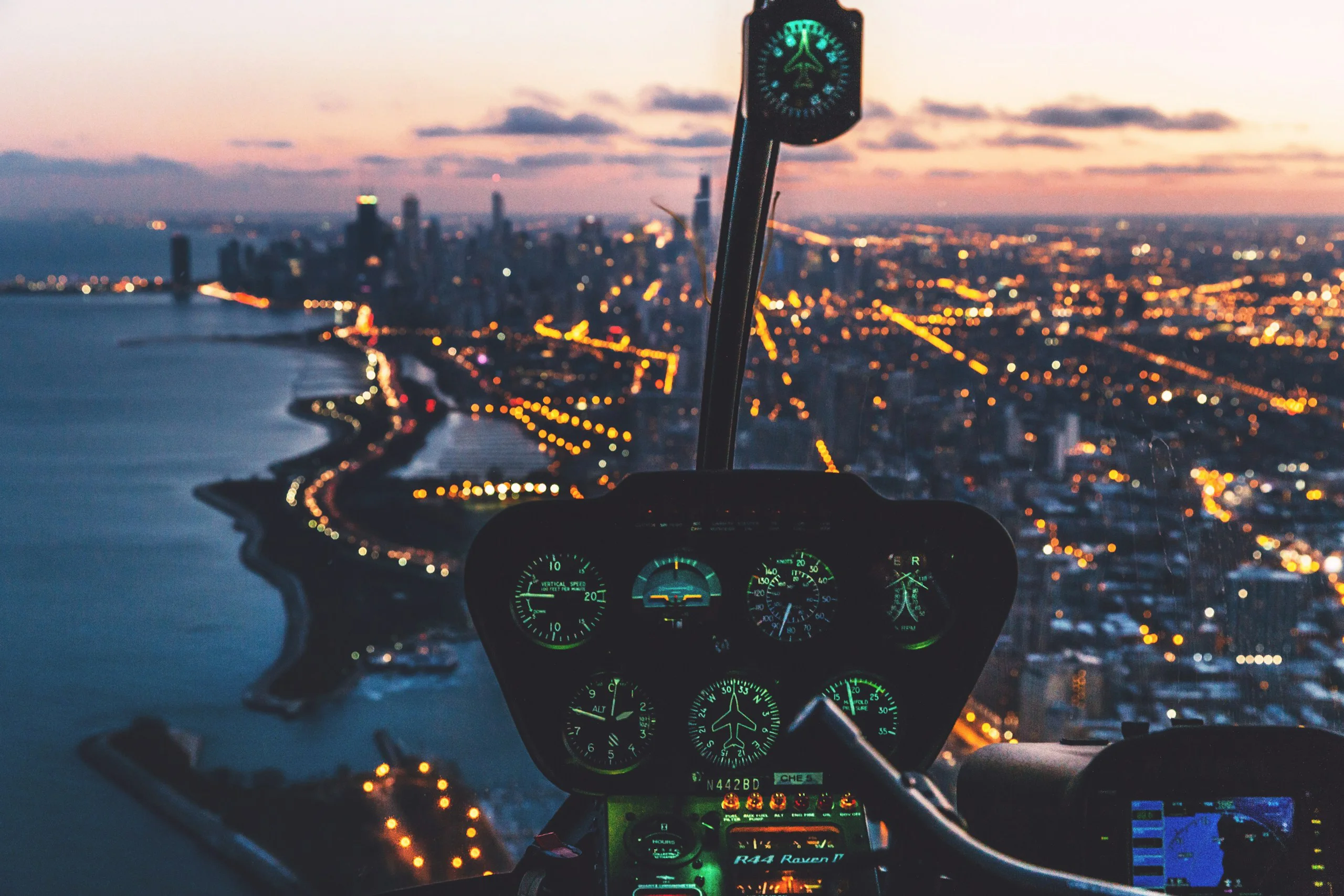
From first hover to a commercial rotary licence
- 1Class 1 medicalThe same medical standard as fixed wing, cleared before any deposit is paid.
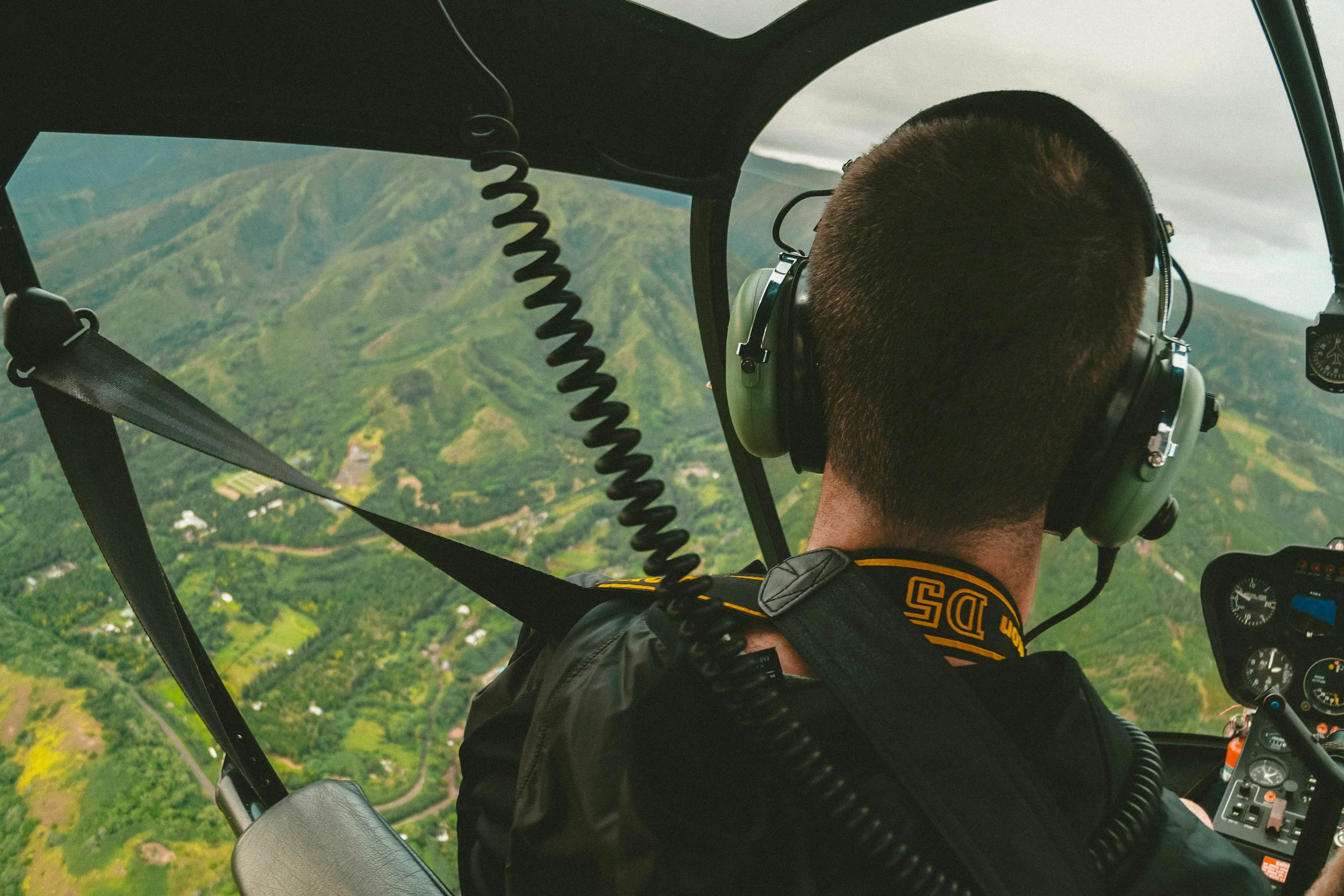
- 2PPL(H)Hovering, autorotations, confined-area work and cross-country navigation.
- 3Hour buildingCommand time across varied terrain and landing sites.
- 4Night ratingNight operations, essential for air ambulance and charter employers.
- 5Instrument Rating (H)IFR helicopter operations, the gateway to offshore and air ambulance work.
- 6CPL(H) and conversionCommercial skill test, licence issue and conversion at home.
PAWhere it leads
Where a CPL(H) takes you
Career path
Offshore energy
Crew transfer to rigs and platforms: structured, instrument-heavy flying.
Ask about this path
Career path
Air ambulance
Emergency medical services with demanding site landings and night operations.
Ask about this path
Career path
VIP and tourism charter
Corporate shuttles, pilgrimage routes and scenic operations.
Ask about this path
Career path
Utility and survey
Powerline patrol, sling load, firefighting support and aerial survey.
Ask about this pathCareer path
Flight instruction
Teaching new pilots while you build command hours.
Ask about this pathPAFees
Helicopter or airplane? Ask before you pay
The two careers hire differently and cost differently. Helicopter training is hour-intensive early, and hovering alone takes real time to master.
We confirm current availability with a partner school and return a costed plan for your route.
Ask about helicopter training
PALicence conversion
Bringing your licence home
You earn your CPL abroad. To fly commercially at home, you then convert it with DGCA.
What DGCA asks for · checked against official sources
Foreign ICAO CPL converted under DGCA CAR Section 7 Series G Part I: Indian Class 1 medical, RTR(A), DGCA papers (Air Regulations and Composite: Air Navigation + Meteorology), licence/logbook verification with the issuing authority, then a skill test in India.
Official source: dgca.gov.in
- Plan before you start
We check the current DGCA requirements with you and plan your training records for conversion.
- Log every hour
Your logbook is kept to the standard your conversion needs.
- Apply through DGCA
We guide you through the process, and DGCA decides the outcome.
PAStudent visa
Student visas, destination by destination
From India to the USA
M-1 student visa, with Form I-20 and SEVIS
Accepted by an SEVP-certified flight school that issues an M-1 Form I-20.
Pay SEVIS I-901 fee.
Complete DS-160 and attend the US embassy/consulate interview.
Full visa checklist shared by your advisor
Get my visa checklistOfficial source: travel.state.gov
From India to Australia
Student visa (subclass 500)
Get a Confirmation of Enrolment from a CRICOS-registered provider.
Arrange Overseas Student Health Cover.
Show financial capacity.
Full visa checklist shared by your advisor
Get my visa checklistOfficial source: studyaustralia.gov.au
From India to South Africa
South African study visa
Get an official acceptance letter from the training institution stating course length.
Police clearance certificate.
Proof of financial means.
Full visa checklist shared by your advisor
Get my visa checklistOfficial source: api.acts.co.za
From India to Germany
German national (D) visa
Get your written offer or training contract from the German EASA ATO.
Open a blocked account or arrange another accepted proof of funds, plus health insurance.
Apply for the German national visa at the German mission.
Full visa checklist shared by your advisor
Get my visa checklistOfficial source: make-it-in-germany.com
From India to the Philippines
Student visa or Special Study Permit
Enter on a temporary visitor visa.
School or student files the SSP with the Bureau of Immigration.
Provide documents incl. NBI Clearance and BI Clearance Certificate.
Full visa checklist shared by your advisor
Get my visa checklistOfficial source: immigration.gov.ph
From India to Indonesia
Education visa (E30 series)
School sponsor and offer.
Passport valid 6+ months and proof of at least USD 2,000.
Apply on evisa.imigrasi.go.id and pay the fee.
Full visa checklist shared by your advisor
Get my visa checklistOfficial source: evisa.imigrasi.go.id
From India to Namibia
Study permit
Proof of acceptance from the school.
Forms, medical and radiological reports, police clearance.
Motivation letter, sponsor undertaking, medical aid and accommodation.
Full visa checklist shared by your advisor
Get my visa checklistOfficial source: mha.gov.na
How we help
- File preparationYour visa file put together with you, in the order the authority asks for.
- Documents checklistA checklist for your route, from school documents to proof of funds.
- Appointment trackingWe keep track of your appointment and the next step with you.
- Interview preparationPractice for the visa interview where your route has one.
General guidance only. Visas are decided by the authorities, so we make no visa promises and quote no processing times as guarantees.
PAQuestions
Questions about training abroad
Do you run the flight schools?
No. Training is delivered by independent partner flight schools, each operating under its national regulator.
How long does training abroad take?
It depends on the destination, the weather, aircraft availability and your own pace. Your advisor gives you a realistic timeline for the schools on your shortlist before you commit.
Will my foreign licence work at home?
A foreign CPL is converted or validated by your home regulator. We plan and sequence each step with you from the start; your regulator decides.
Is there a fee to talk to you?
No. The first counselling call to check eligibility and map your route costs nothing, and there is no deposit to talk to us.
Do you offer helicopter training?
Yes, helicopter training is available on request, subject to availability at our partner schools. Tell your advisor early, and we will tell you honestly what is possible and where.
How do you choose which flight school to suggest?
We properly vet every partner school before we suggest it, and then match it to you: your budget, your timeline and the country where you want to fly afterwards. You receive the school's ATO or Operating Certificate, and we show you how to check with the regulator that it is valid. Each country page names its regulator, and the choice is always yours.
Who makes sure the training is safe?
Every partner school trains under its national aviation regulator, such as the FAA in the USA, SACAA in South Africa, CASA in Australia, CAAP in the Philippines and the EASA system in Germany. These regulators set the rules for aircraft maintenance, instructors and training. Your advisor also checks in with you regularly, so any concern reaches us quickly.
Will my licence be recognised internationally?
All seven destinations issue licences under the ICAO (International Civil Aviation Organization) standards. To fly commercially in another country, such as India, you usually convert your licence to that country's licence, and we help you do that on your return.
Which visa will I need?
It depends on the destination: an M-1 student visa for the USA, a study visa for South Africa, a subclass 500 student visa for Australia, a German national (D) visa for Germany, a Special Study Permit for the Philippines, an E30-series education visa for Indonesia and a study permit for Namibia. Each destination page explains the route, and your advisor prepares the file with you.
How long does it take to get a commercial pilot licence?
It varies with the destination, the course type, the weather, aircraft availability and your own pace. Your advisor gives you a realistic plan for your chosen school, and we track progress with you along the way. We never promise a finish date, because flying training depends on things no one fully controls.
How many flying hours do I need?
The minimum depends on the regulator: for example, many countries set 200 hours, with lower minimums on approved integrated courses. If you plan to convert to an Indian licence, DGCA asks for at least 200 hours with specific pilot-in-command, cross-country, instrument and night experience. We plan your hours around the licence you finally want.
Can I add an instructor rating and work as an instructor?
An instructor rating is offered in the USA, Singapore, the Philippines and other countries. Whether you can work afterwards depends on that country's immigration rules, so any job after training must be discussed with us before you apply for the programme. In the USA, for example, M-1 and F-1 student visas strictly limit work. No job is guaranteed.