Pilot training abroad, from India
Applying from India
- Regulator
- Directorate General of Civil Aviation (DGCA)
- Currency
- INR
Commercial pilot training at independent partner flight schools in seven destinations, with fees in INR, and your DGCA licence conversion planned from day one.
Pilots Assist cannot guarantee jobs or visas; we match you to a school, prepare your files with you and stay with you while you train.
- Your regulatorDGCA, Directorate General of Civil Aviation.
- FeesINR on every range.
- DestinationsSouth Africa, the USA, Australia, the Philippines, Germany, Indonesia and Namibia.
- ConversionPlanned with DGCA before you start training.
- Pilots Sky LendEducation-loan support
- Cadet deskSupport while you train abroad.
- ParentsWelcome on every counselling call.
PAWhy abroad
Why train abroad from India
Seven destinations, one plan
Compare seven destinations side by side, fees in INR.
DGCA planned from day one
Your records are planned for DGCA conversion before your first lesson.
An honest school match
Partner schools matched to your budget, named before any deposit.
Pilots Sky Lend loan support
Loan applications prepared with you.
Visa file prepared with you
Student visa paperwork for your destination. No visa promises.
A cadet desk
School, accommodation and progress questions answered while you train.
Airline applications
Help applying to airlines after your licence. No job guarantee.
OJT programmes
Help getting into an OJT (On-the-Job Training) programme, where available.
Parents and guardians are welcome on every counselling call.
- 7destinations compared side by side
- 1advisor from counselling to licence
- 6steps from counselling to the cockpit
PADestinations
Where students from India train
Each destination page shows its schools, costs and visa route for students from India.
SACAA licence
South Africa
Year-round VFR weather and a 14–18 month CPL route.
CPL course feeZAR 650–980k≈ ₹37–56 lakh (estimate)
See South Africa for students from India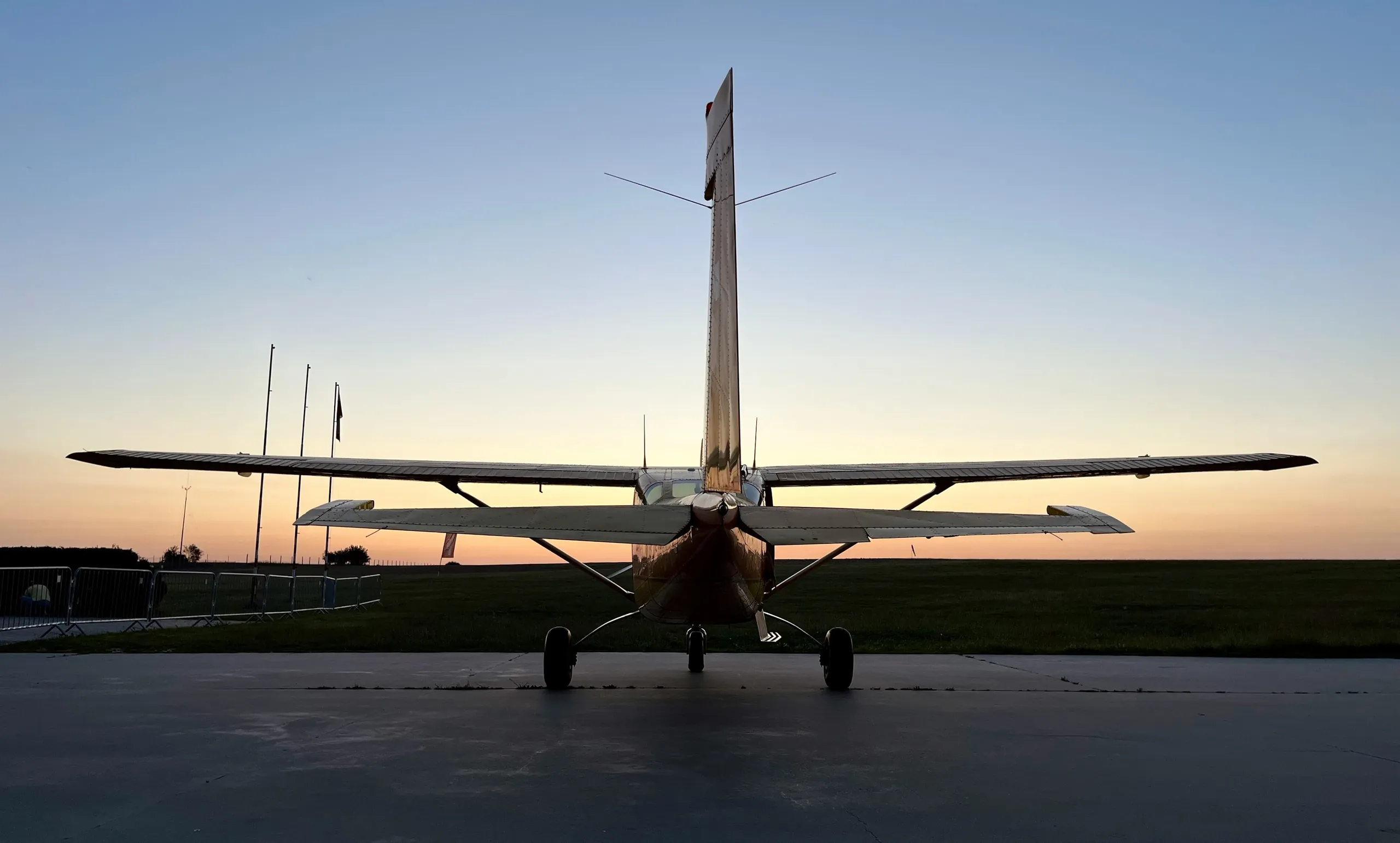
FAA licence
USA
Busy, varied US airspace and FAA training standards.
CPL course feeUSD 70–90k≈ ₹67–86 lakh (estimate)
See USA for students from India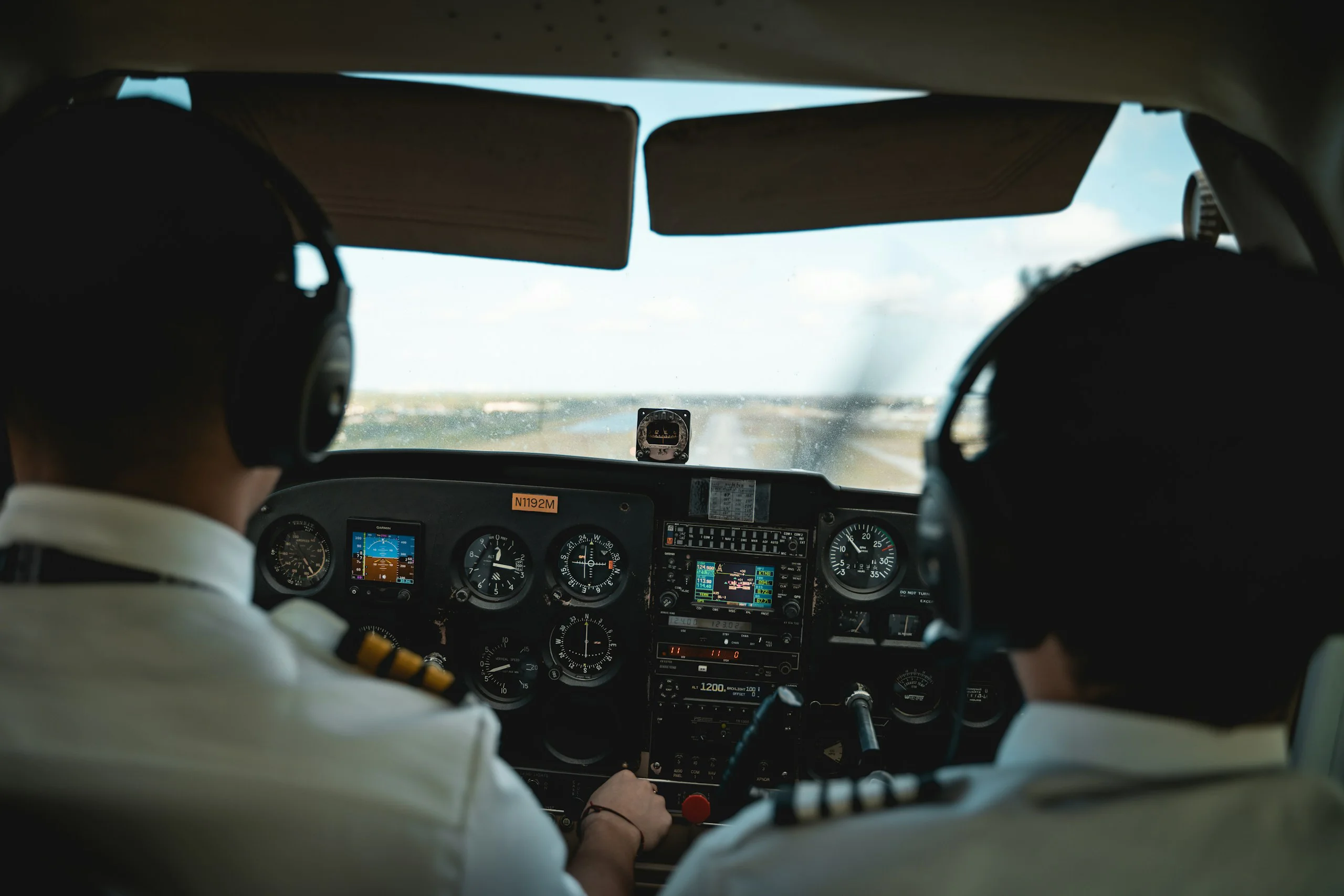
CASA licence
Australia
Open airspace and a structured CASA CPL syllabus.
CPL course feeAUD 90–130k≈ ₹60–86 lakh (estimate)
See Australia for students from India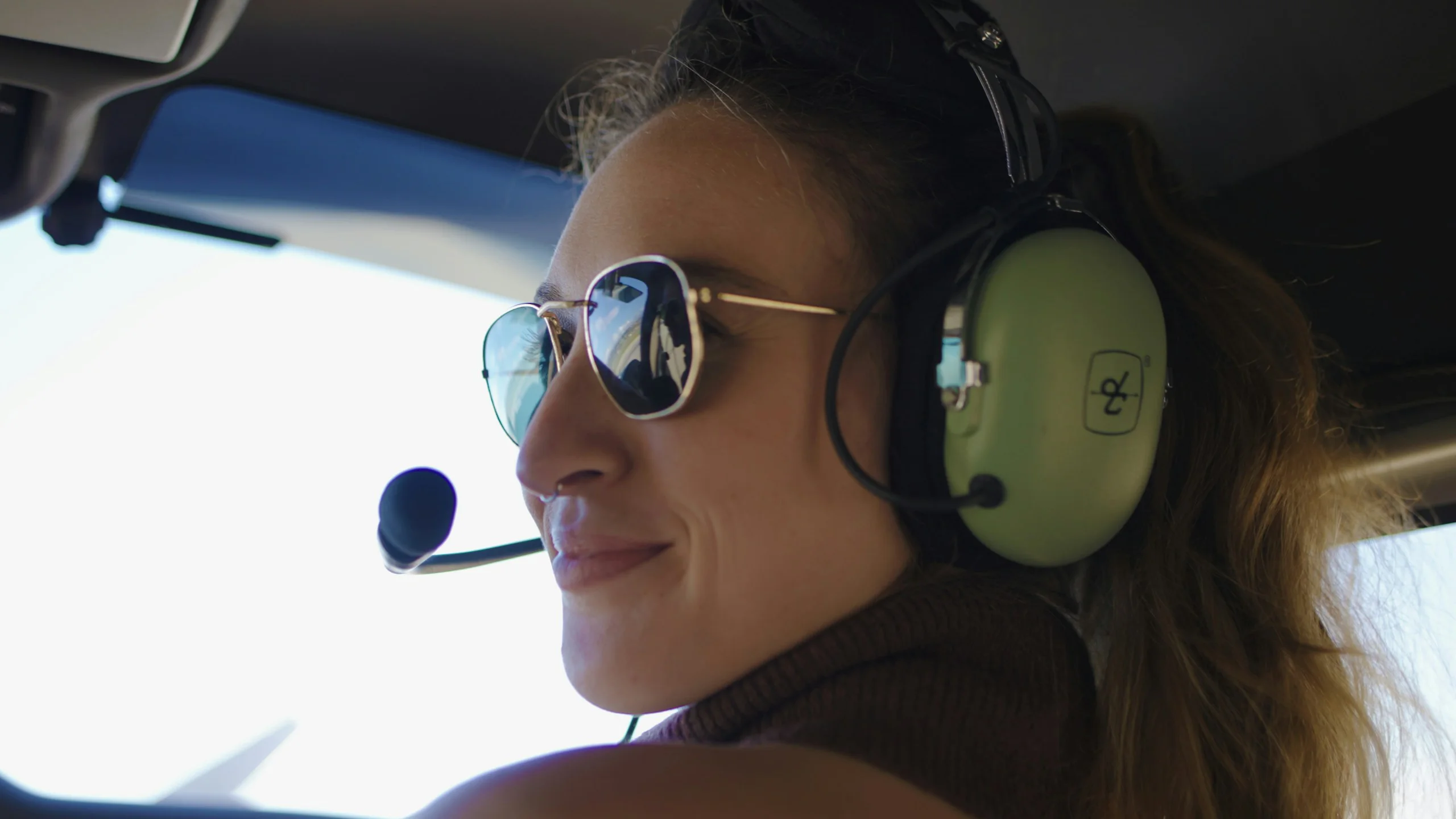
CAAP licence
Philippines
English-language training under CAAP, close to Asian hubs.
CPL course feePHP 2–3.5M≈ ₹30–53 lakh (estimate)
See Philippines for students from India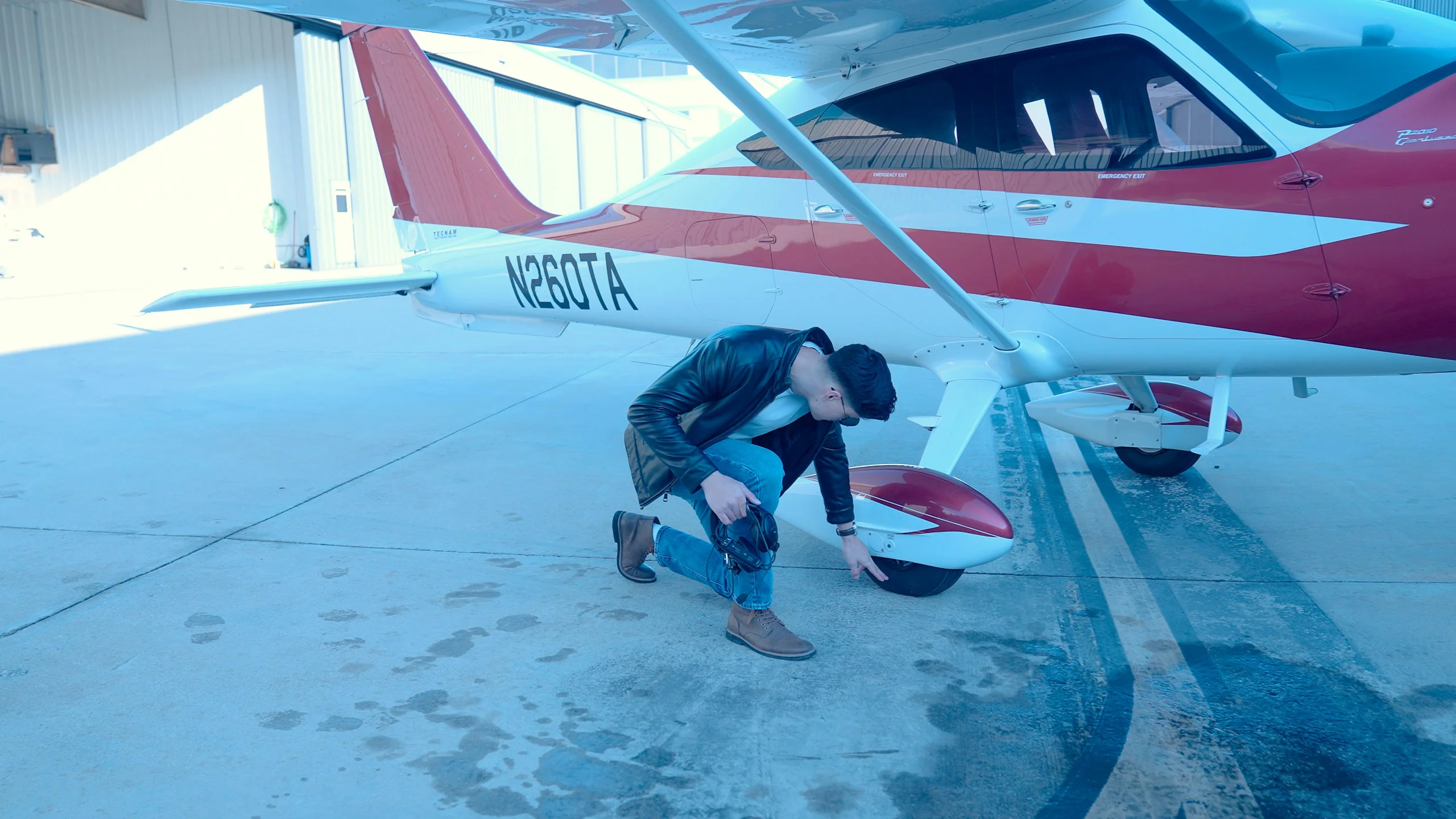
EASA licence
Germany
An EASA licence, used across EU member states.
CPL course feeEUR 70–100k≈ ₹75–106 lakh (estimate)
See Germany for students from India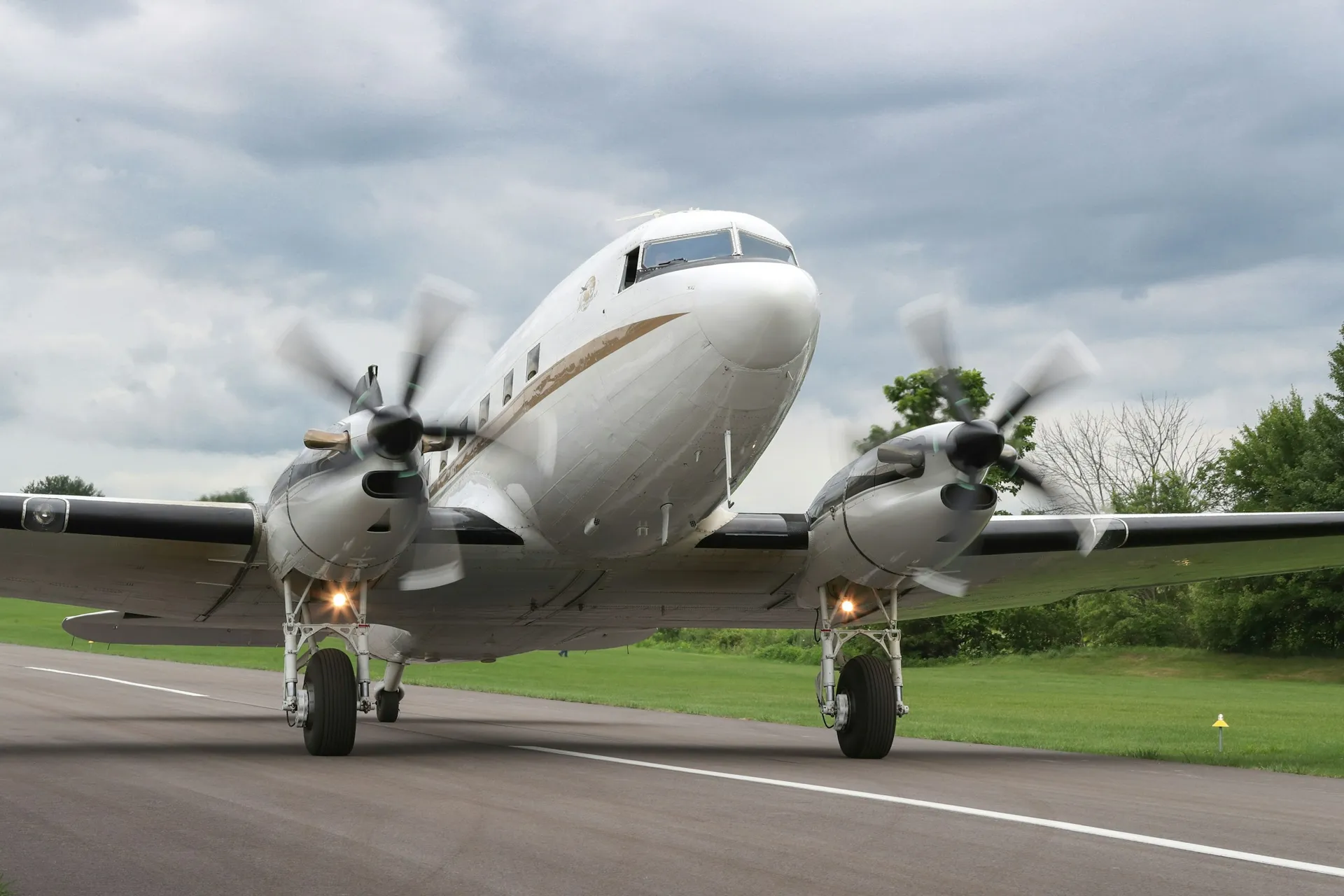
DGCA Indonesia licence
Indonesia
A CASR Part 61 CPL, close to South-East Asian home markets.
See Indonesia for students from India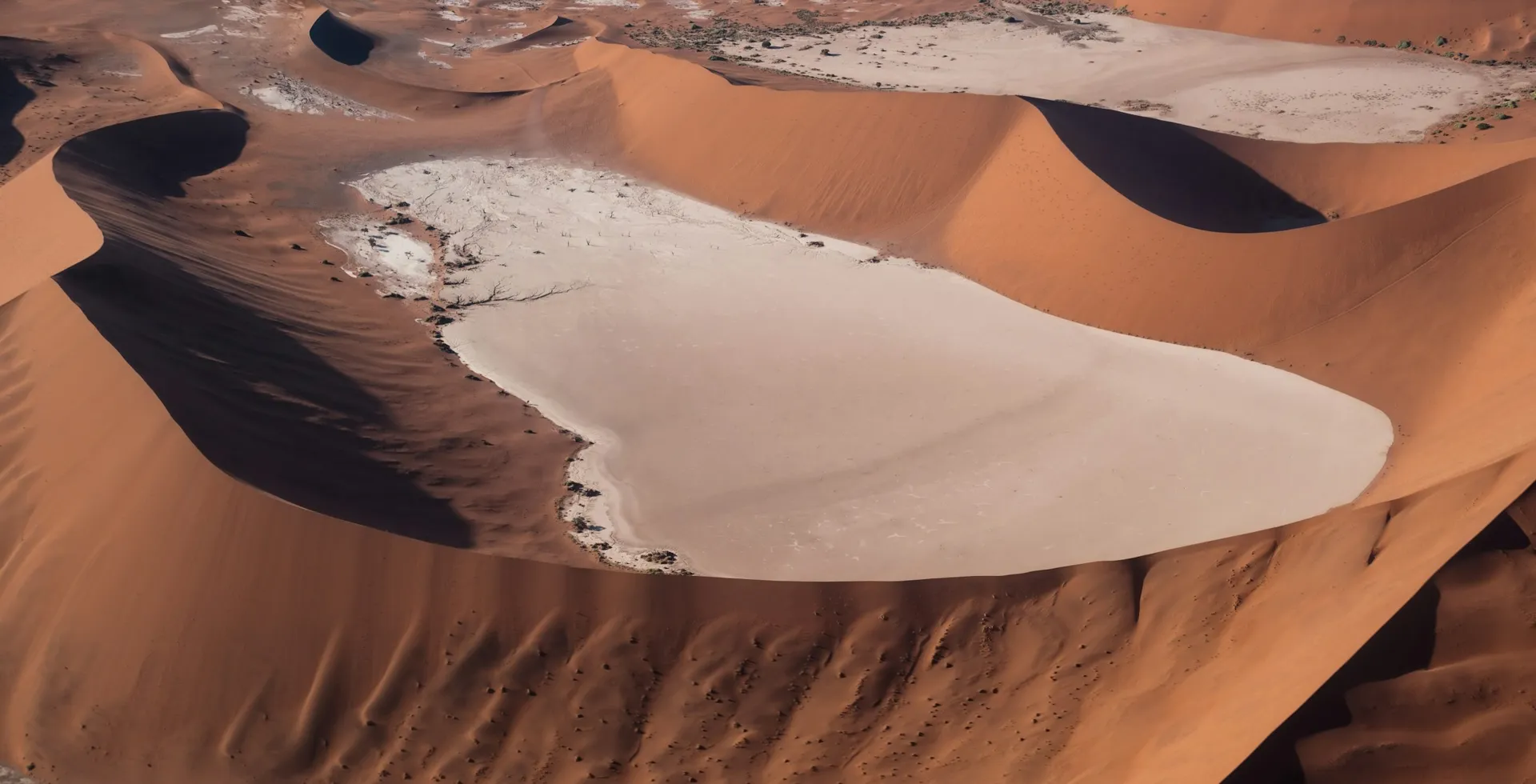
NCAA licence
Namibia
Dry, sunny weather and an English-speaking country.
See Namibia for students from India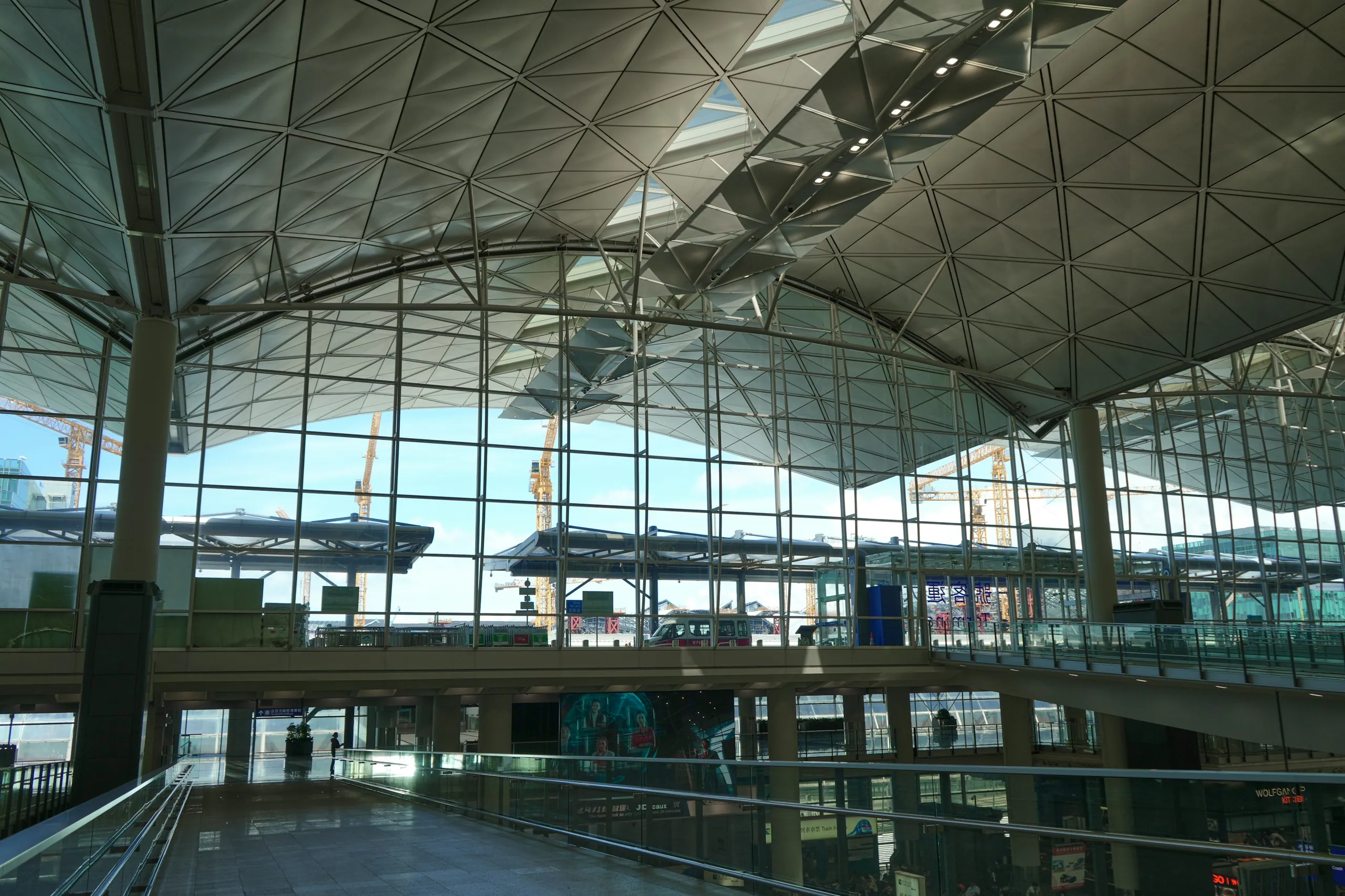
Students from India
From Mumbai to the cockpit, DGCA
Train abroad with independent partner flight schools and plan your DGCA licence from day one.
PACosts
What training abroad costs
Indicative course fees and sourced living costs for students from India, in INR.
Training
CPL course fee by destination
- South Africa SACAA CPLZAR 650–980k≈ ₹37–56 lakh (estimate)
- USA FAA CPLUSD 70–90k≈ ₹67–86 lakh (estimate)
- Australia CASA CPLAUD 90–130k≈ ₹60–86 lakh (estimate)
- Philippines CAAP CPLPHP 2–3.5M≈ ₹30–53 lakh (estimate)
- Germany EASA CPLEUR 70–100k≈ ₹75–106 lakh (estimate)
Living
Per month, indicative university budgets
- South Africa indicative, Gauteng university budgetsZAR 8–16k≈ ₹46,000–92,000 (estimate)
- USA indicative, from Texas, Florida and Arizona university budgetsUSD 1,800–2,500≈ ₹1.7–2.4 lakh (estimate)
- Australia indicative, from a university estimateAUD 2,500–4,000≈ ₹1.7–2.7 lakh (estimate)
- Philippines indicative, Metro Manila university guidancePHP 32–42k≈ ₹48,000–64,000 (estimate)
- Germany indicative, Germany (DAAD)EUR 900–1,200≈ ₹1–1.3 lakh (estimate)
- Indonesia indicative, from a university estimateIDR 7–9.2M≈ ₹37,000–49,000 (estimate)
- Namibia indicative, Windhoek student budgetsNAD 7–10k≈ ₹40,000–57,000 (estimate)
Living ranges from university budgets for each region, accessed 9 Oct 2026; insurance, medical and exam costs are on each destination page.
PAYour licence
Licence conversion with DGCA
Directorate General of Civil Aviation
- 1Plan before you startWe check the current DGCA rules with you and plan your training records for conversion.
- 2Train and log every hourYour logbook is kept to the standard your conversion needs.
- 3Earn your CPL abroadIssued by the training country's regulator: FAA, EASA, CASA, SACAA, CAAP, DGCA Indonesia or NCAA.
- 4Indian Class 1 medical and RTR(A)Booked and planned with you.
- 5DGCA papersAir Regulations and Composite (Air Navigation and Meteorology).
- 6Verification and skill testLicence and logbook verification with the issuing authority, then a skill test in India. DGCA decides the outcome.
Source: DGCA CAR Section 7 Series G Part I (dgca.gov.in), checked 9 Oct 2026. Rules change; we check them with you before you start.
PAFunding
Pilots Sky Lend education-loan support
Funding planned against fee milestones
CPL training · Type ratings · Ground classes
Help preparing loan applications, collateral and non-collateral routes, with disbursement planned against school fee stages.
Check loan eligibility
PASafety
What we check before we place a cadet
Regulator
Each partner school operates under its national regulator.
Safety and fleet
Each school's safety and fleet reviewed before we place anyone.
Instructors
Instructor availability checked against the intake.
Accommodation
Help with accommodation questions on arrival and after.
Escalation
An advisor who knows your file and steps in whenever you need support.
Cadet desk
Medical emergencies, visa and money-transfer issues.
PAMoney milestones
Pay against visible milestones
- 1Written cost planTuition, exams, living, visa, insurance and conversion in one budget, before any deposit.
- 2Itemised quotationsInclusions, exclusions, rates and payment terms from each school, in writing.
- 3Staged paymentsAn invoice schedule matched to training stages, not one large transfer.
- 4Account statementsAsk the school for statements and a refund policy; we help you read them.
- 5Flexibility bufferContingency for weather, maintenance and re-tests, which are normal in flight training.
PAJoin the call
Bring your questions to the call
- An honest timeline, not optimistic guesses
- A costed pathway from day one to the airline application
- Real financing options that match your budget
- Answers to every question parents ask
PAStep by step
Four steps to a sound plan
- 1Start with eligibility and medical readinessComplete the aviation-medical pathway early and review current DGCA eligibility rules before paying a large deposit. Medical or academic-document questions are easier to resolve before relocation and loan disbursement.
- 2Choose a school on operating evidenceApproval is the starting point, not the whole decision. Ask how many aircraft are serviceable, how many students share them and how instructor changes are handled.
- 3Budget for completion, not admissionCombine ground school, examinations, flying, briefing, landing charges, equipment, accommodation, local travel and additional-hour contingency.
- 4Plan beyond the CPLInstrument and multi-engine proficiency, interview preparation and a type-rating decision may shape the next stage. Do not buy career training only because a package labels it mandatory.
PAChoosing a school
Questions to put to every school
Ask each school for evidence, and ask recent students on a similar programme.
- How many aircraft are serviceable, and how many students share them
- How instructor changes are handled
- How many hours comparable students have recently flown
- Maintenance arrangements, weather exposure and airspace congestion
- Payment terms and transfer policies
Why the lowest rate can cost more
- A lower hourly rate becomes expensive when aircraft access is inconsistent
PABudget
What a completion budget covers
Use the same cost headings when comparing Indian and overseas routes. See the full cost of your licence.
Ground school and exams
Examinations and ground school for the DGCA subjects.
Flying and briefing
Flying, briefing and landing charges.
Living and travel
Accommodation and local travel.
Equipment
Headset, charts and the kit your school requires.
Additional hours
A contingency for weather, aircraft downtime and re-tests.
Career-stage costs
The steps that follow licence issue.
PAYour options
Compare India with training abroad
PAHow it works
How to apply with the cadet desk
- 1Free counsellingA call with the cadet desk: eligibility, budget and a realistic timeline. Parents welcome.
- 2Choose a destinationCompare the seven destinations and their costs in INR.
- 3School shortlistPartner schools matched to your budget and licence goal.
- 4Medical, documents and visa fileClass 1 medical booked, documents and the visa file prepared with you. No visa promises.
- 5Arrive and trainArrival plan, progress reviews with your school and a cadet desk.
- 6Convert and fly at homeLicence conversion planned with DGCA. Help applying to airlines after your licence, and help getting into an OJT (On-the-Job Training) programme, where available.
PAStudent visa
Student visas, destination by destination
From India to South Africa
South African study visa
Get an official acceptance letter from the training institution stating course length.
Police clearance certificate.
Proof of financial means.
Full visa checklist shared by your advisor
Get my visa checklistOfficial source: api.acts.co.za
From India to the USA
M-1 student visa, with Form I-20 and SEVIS
Accepted by an SEVP-certified flight school that issues an M-1 Form I-20.
Pay SEVIS I-901 fee.
Complete DS-160 and attend the US embassy/consulate interview.
Full visa checklist shared by your advisor
Get my visa checklistOfficial source: travel.state.gov
From India to Australia
Student visa (subclass 500)
Get a Confirmation of Enrolment from a CRICOS-registered provider.
Arrange Overseas Student Health Cover.
Show financial capacity.
Full visa checklist shared by your advisor
Get my visa checklistOfficial source: studyaustralia.gov.au
From India to the Philippines
Student visa or Special Study Permit
Enter on a temporary visitor visa.
School or student files the SSP with the Bureau of Immigration.
Provide documents incl. NBI Clearance and BI Clearance Certificate.
Full visa checklist shared by your advisor
Get my visa checklistOfficial source: immigration.gov.ph
From India to Germany
German national (D) visa
Get your written offer or training contract from the German EASA ATO.
Open a blocked account or arrange another accepted proof of funds, plus health insurance.
Apply for the German national visa at the German mission.
Full visa checklist shared by your advisor
Get my visa checklistOfficial source: make-it-in-germany.com
From India to Indonesia
Education visa (E30 series)
School sponsor and offer.
Passport valid 6+ months and proof of at least USD 2,000.
Apply on evisa.imigrasi.go.id and pay the fee.
Full visa checklist shared by your advisor
Get my visa checklistOfficial source: evisa.imigrasi.go.id
From India to Namibia
Study permit
Proof of acceptance from the school.
Forms, medical and radiological reports, police clearance.
Motivation letter, sponsor undertaking, medical aid and accommodation.
Full visa checklist shared by your advisor
Get my visa checklistOfficial source: mha.gov.na
How we help
- File preparationYour visa file put together with you, in the order the authority asks for.
- Documents checklistA checklist for your route, from school documents to proof of funds.
- Appointment trackingWe keep track of your appointment and the next step with you.
- Interview preparationPractice for the visa interview where your route has one.
General guidance only. Visas are decided by the authorities, so we make no visa promises and quote no processing times as guarantees.
PAGuides
Guides for students from India
PAQuestions
Questions from India
Will my foreign licence be valid in India?
To fly commercially in India you need an Indian DGCA licence, so you convert your foreign licence when you return. We help you with the conversion and plan for it from the first day of training. Conversion fees are separate and are paid to the ATO and DGCA, who convert your licence.
What are the DGCA conversion steps?
Under DGCA CAR Section 7 Series G Part I, you hold a valid DGCA Class 1 medical and an RTR(A) radio licence, and pass DGCA papers in Air Regulations and a composite Air Navigation and Meteorology paper. DGCA verifies your foreign licence and logbook, and you complete a skill test in India with a DGCA-approved examiner. Your advisor shares the full checklist, including the less obvious steps, in a conversation.
Why do you plan for 200 hours if some countries allow fewer?
DGCA asks for at least 200 hours of flight time for an Indian CPL, including 100 hours as pilot-in-command, 20 hours of cross-country flying with a 300-nautical-mile flight, 10 hours of instrument time and 5 hours of night flying. Some of this experience must be recent when you apply. Planning for it abroad avoids extra flying after you come home.
What is a DGCA Computer Number, and do you help with it?
It is your DGCA candidate number, which you need to sit DGCA exams. You apply on DGCA's Pariksha portal with your Class 10 and 12 documents, and it is valid for life. We help you apply and get the documents right first time.
How do I get a DGCA medical?
You register on DGCA's eGCA portal and first take a Class 2 medical with a DGCA-empanelled examiner. The Class 1 initial examination is then done at a DGCA-designated Indian Air Force boarding centre or empanelled civil hospital. We suggest doing this before you commit to training abroad.
Do I need Physics and Mathematics in Class 12?
Yes, for an Indian CPL, DGCA asks for Class 12 (10+2) with Physics and Mathematics from a recognised board, or an equivalent. If you studied other subjects, tell your advisor, and we will look at your options with you.