PAWhat you get
Built for a career, not just a licence
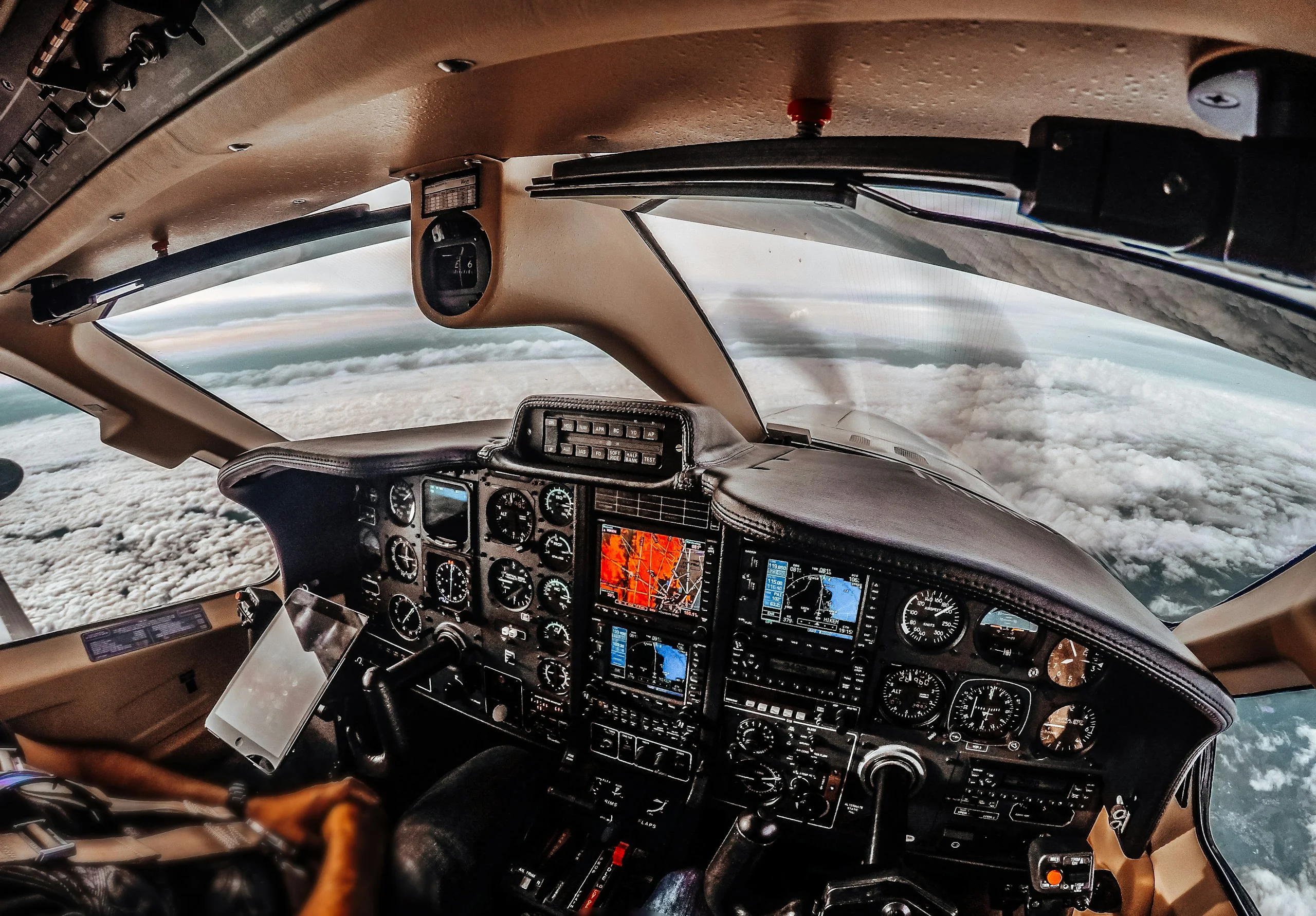
A commercial licence
CPL with multi-engine and Instrument Rating, issued by the school's regulator.
Instructor Rating on request
Available on request: the qualification that lets you teach while you build hours.
Hours, tracked
Hour building logged against the ATPL experience your regulator requires.
Conversion planned
Your home licence mapped while you are still training abroad.
Costs in writing
A written cost breakdown before you commit to a school.
One advisor
The same Pilots Assist advisor from enquiry to licence.
Accelerated commercial pilot training: an ab initio pilot training programme
Ab initio means from the beginning: the programme takes you from no flying experience to a commercial licence. It is accelerated because we plan your medical, DGCA papers, visa and flying as one sequence, so you don't lose time between stages. Training time still depends on weather, aircraft availability and your own progress, and no airline job is guaranteed.
Your advisor checks your profile against the school and regulator before you apply.
- You have finished secondary school with physics, mathematics and English
- You can hold, or are ready to take, a Class 1 medical
- You want an airline career and are ready to self-fund your training
- You already have some hours and want them assessed: we review your logbook individually
- 1CPL ground schoolThe theory papers your licence requires, plus radio-telephony. For students from India: the five DGCA CPL theory papers (plus Performance where it applies) and RTR(A).
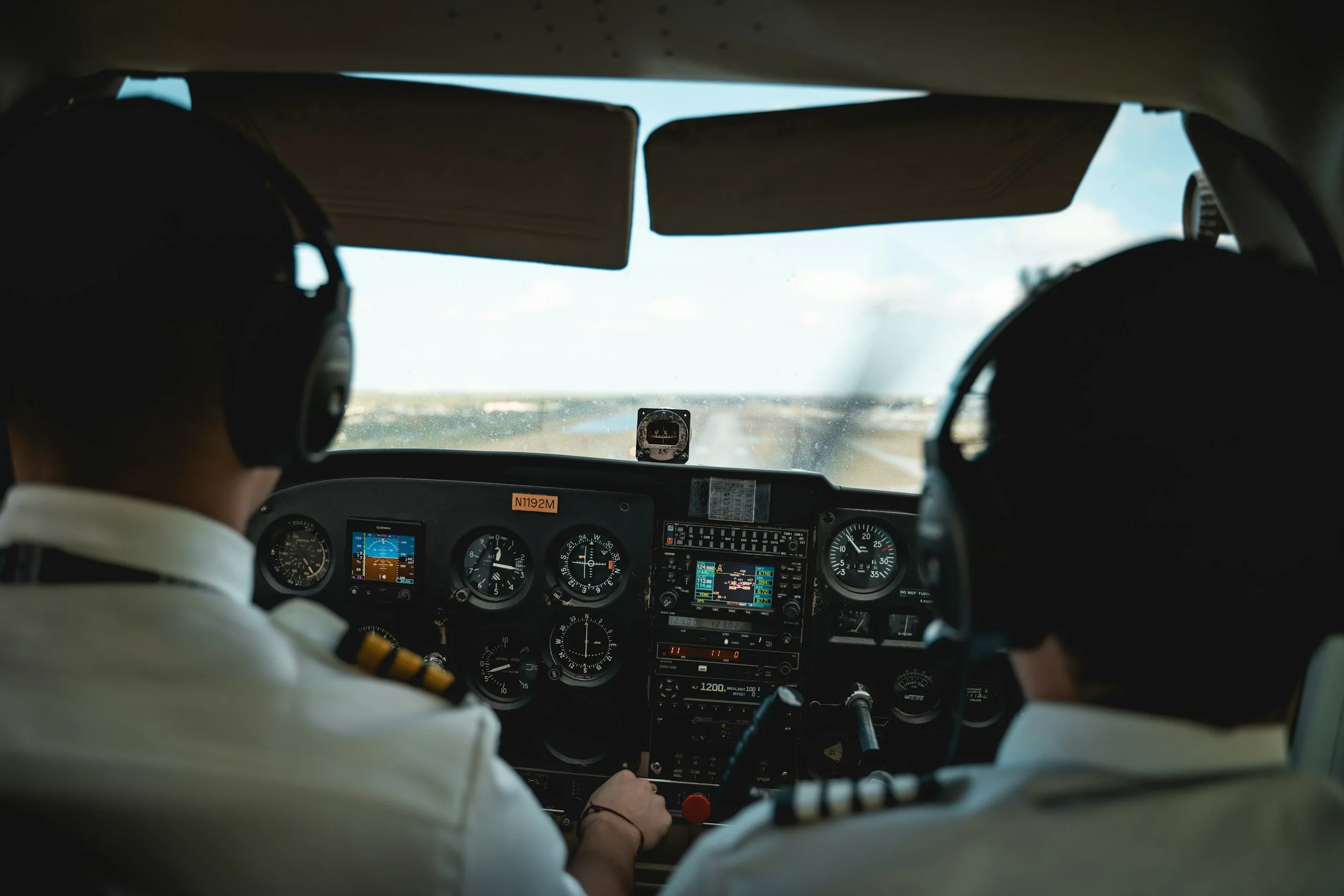
- 2Flight trainingSingle-engine, multi-engine and Instrument Rating at a partner school.
- 3Instructor Rating (on request)Available on request: Flight Instructor certification, the qualification that lets you teach.
- 4Hour buildingHours tracked against the ATPL experience your regulator requires.
- 5ATPL eligibilityA competitive, hour-qualified profile ready for airline applications. Hiring is the airline's decision.

Each destination page shows its schools, costs and visa route. Ranges are indicative; the school confirms its fees in writing.
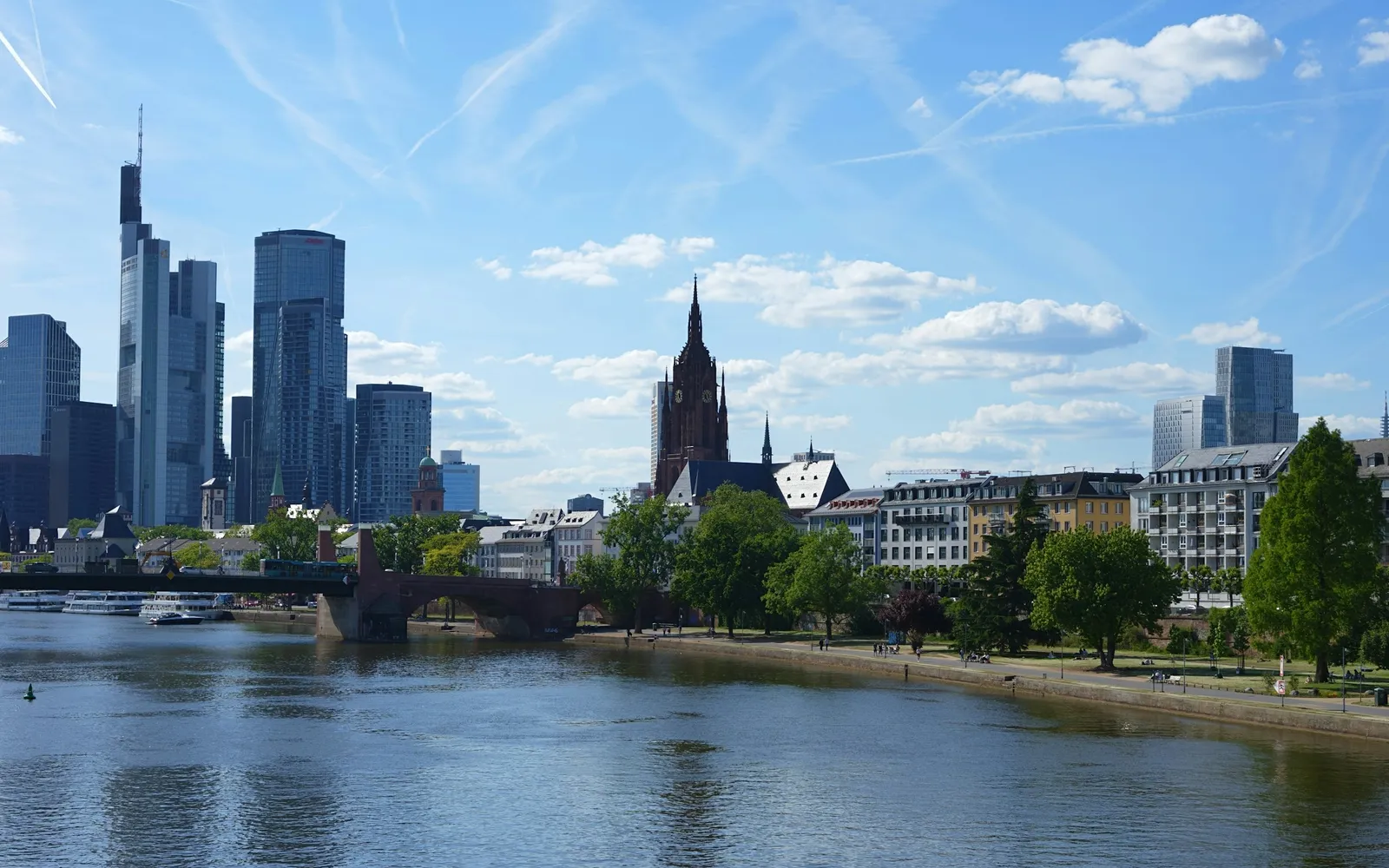
EASA licence
Germany
An EASA licence, used across EU member states.
Planning budget, fees in Indian rupees₹70 lakh+
CPL training in Germany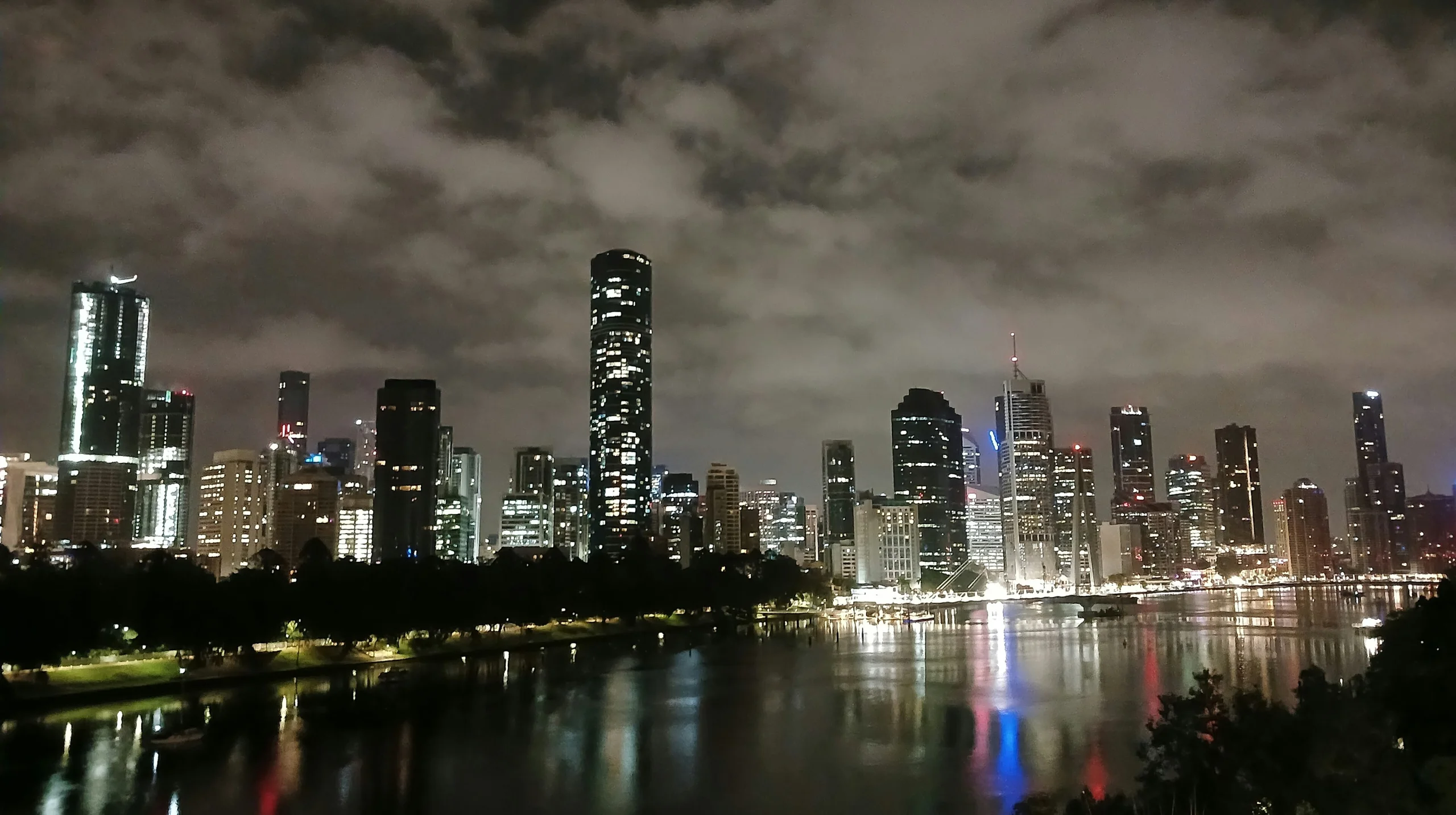
CASA licence
Australia
Open airspace and a structured CASA CPL syllabus.
Planning budget, fees in Indian rupees₹70 lakh+
CPL training in Australia
SACAA licence
South Africa
Year-round VFR weather and a 14–18 month CPL route.
Planning budget, fees in Indian rupeesFrom ₹60 lakh
CPL training in South Africa
FAA licence
USA
Busy, varied US airspace and FAA training standards.
Planning budget, fees in Indian rupees₹70–75 lakh+
CPL training in USA
CAAP licence
Philippines
English-language training under CAAP, close to Asian hubs.
Planning budget, fees in Indian rupees₹60–65 lakh
CPL training in Philippines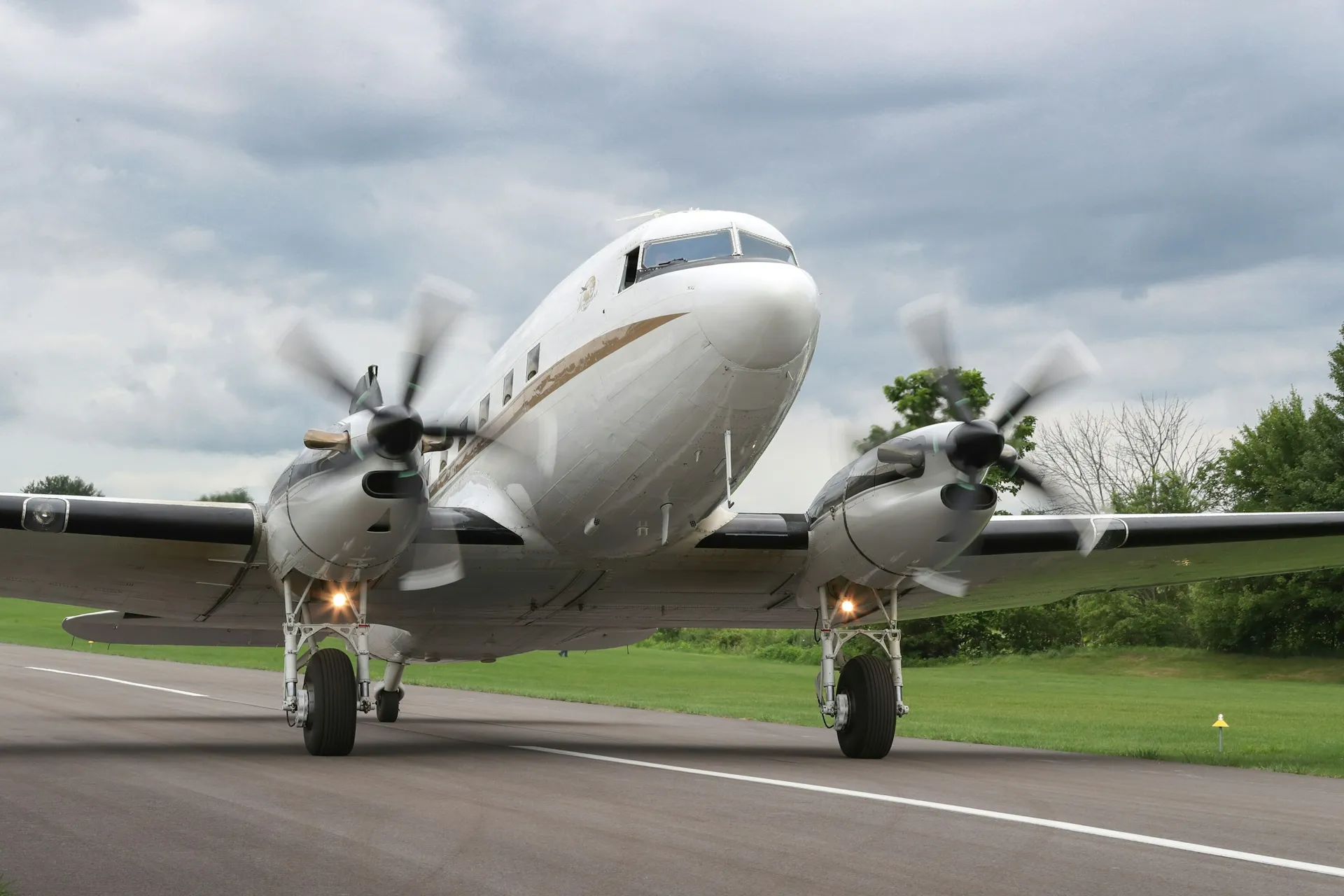
DGCA Indonesia licence
Indonesia
A CASR Part 61 CPL, close to South-East Asian home markets.
CPL training in Indonesia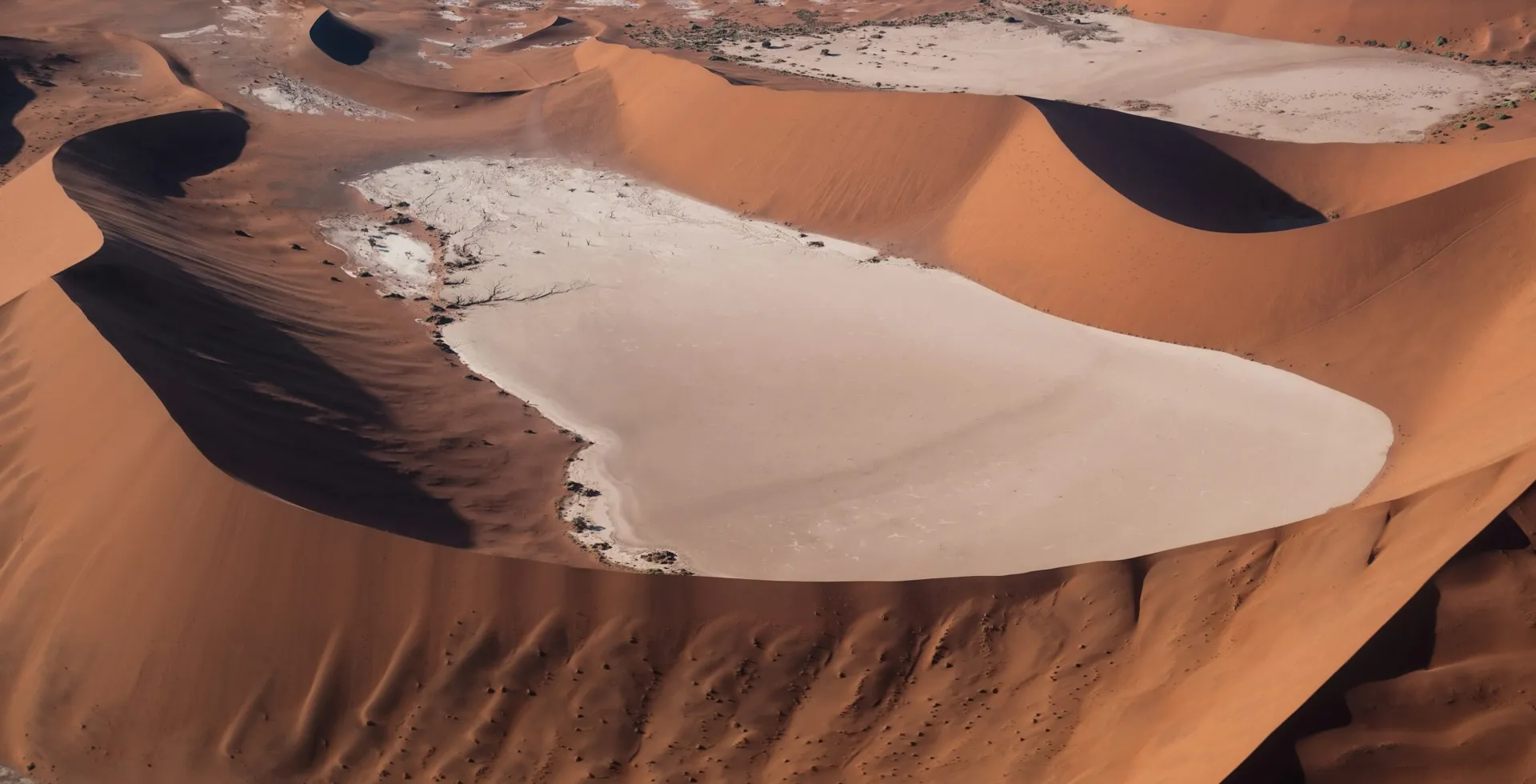
NCAA licence
Namibia
Dry, sunny weather and an English-speaking country.
CPL training in Namibia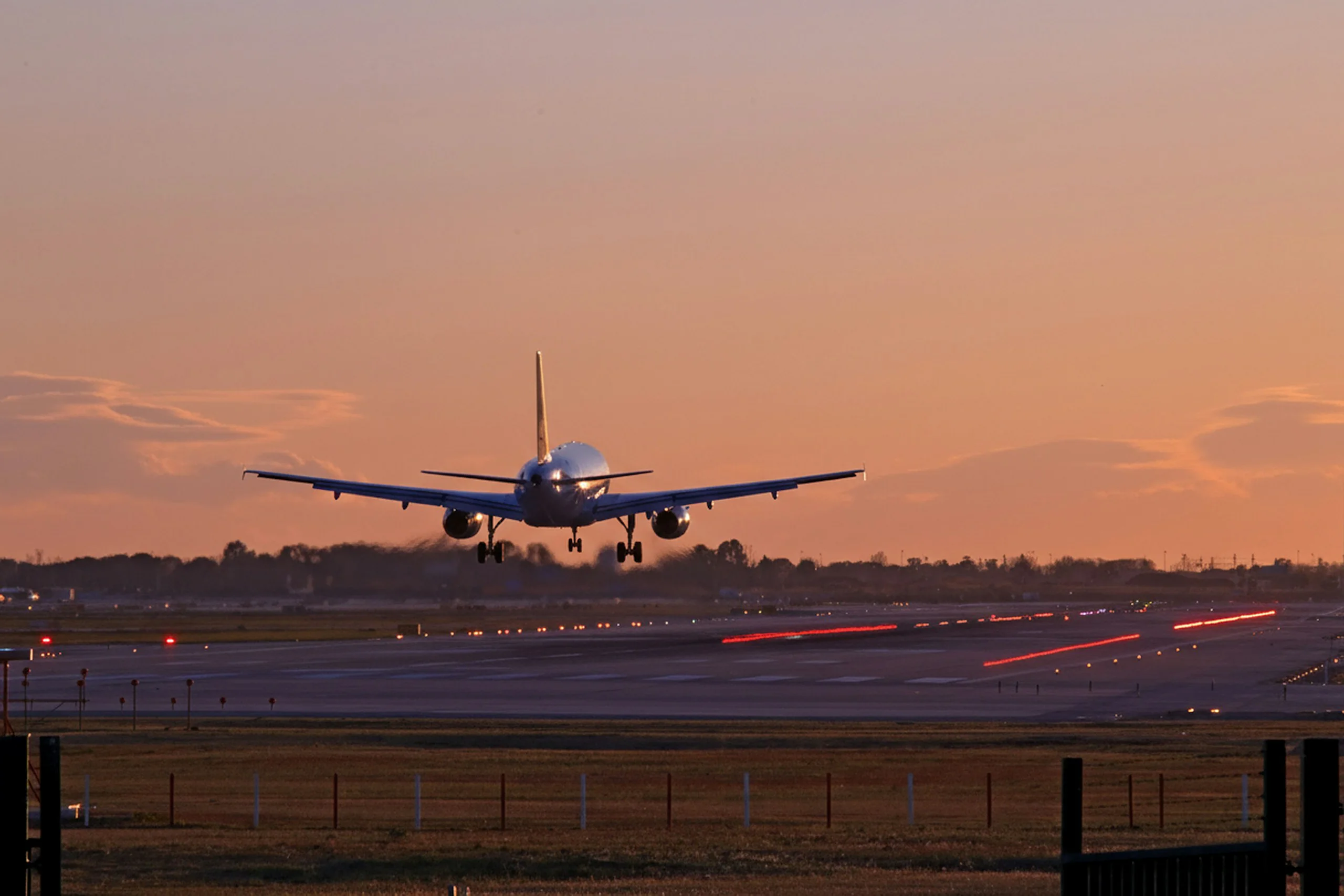
Airplane CPL
From first solo to an airline application
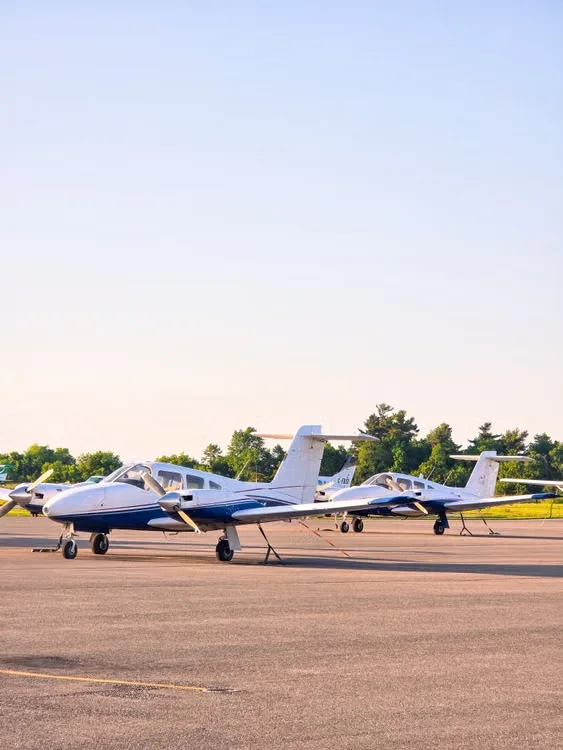
Partner schools reviewed for safety, fleet and instructor availability before we place a cadet.
Students from India can use Pilots Sky Lend, our education-loan application support for CPL training, type ratings and ground classes: collateral and non-collateral routes, a lender-ready file and disbursement planned against the school's fee stages.
How Pilots Sky Lend works
- 1Eligibility and aptitude checkAcademic record, English proficiency and a short aptitude screen.
- 2Documentation reviewSchool marksheets, medical status and identity documents checked.
- 3Counselling interviewBudget, timeline and destination fit discussed one to one with an advisor.
- 4School selection and enrolmentConfirmed school, written cost breakdown and your Phase 1 start date.
- 1Collect itemised quotationsWritten inclusions, exclusions, rates and payment terms from each school.
- 2Normalise the assumptionsThe same hour, living and completion headings for every option.
- 3Add time contingencyTime, recency and additional flying for weather, maintenance and re-tests.
- 4Add career-stage costsThe steps that follow licence issue, including conversion at home.
- 5Match funding to milestonesFamily funds or loan tranches aligned to the training schedule.
Ask which hours and aircraft each quote assumes, how rates can change, and what happens to unused funds if training pauses or transfers.
- 1Eligibility reviewIncome, co-applicant, collateral and academic profile reviewed against what lenders typically ask.
- 2Cost sheetA full landed cost: tuition, hours, living, visa, insurance and conversion.
- 3Lender comparisonOptions compared on rate, moratorium, margin money and processing time.
- 4DocumentationA clear application file with the school's admission letter, visa documents and fee schedule.
- 5Sanction and transfersWritten sanction terms reviewed with you, and international transfers planned.
- 6Staged paymentsPayments released against training milestones, tracked with you through the course.
- Borrow for the whole path: funding only the CPL and forgetting conversion is a common planning error
- Repayment terms matter as much as the rate
- Build a delay buffer: weather, maintenance and re-tests are normal
- Watch the transfer costs
- Read any bond terms with us before you sign

- 1Present one coherent training routeEducation, medical status, licence, provider, destination, stages and career goal, with a full cost sheet.
- 2Prepare the document groupsStudent records, plus co-applicant income, tax, bank and credit information. Exact documents vary by lender.
- 3Compare the full written termsMargin, security, moratorium, repayment, tenure, processing, insurance and foreign-remittance conditions.
- 4Disburse against training milestonesInvoices mapped to admission, ground, flying and licence stages.
- Names and figures consistent across every form
- Current school and course evidence
- Family contribution clearly explained
- Sanction letters, invoices, transfer records and school statements kept together
Before you pay a school
- A preliminary discussion is not a sanction: avoid non-refundable school commitments until the written finance position is clear
- The course and training route you are considering
- The funding you need, and what the family can contribute
- The co-applicant profile: who will apply with you
- Your education records and identity documents

- 1Share your detailsCourse, funding requirement and co-applicant details.
- 2An advisor reviews your caseAgainst what lenders typically ask for.
- 3Get the next practical stepA clear route to a lender-ready file.
- 4The lender decidesEligibility, amount and timing are the lender's decision. Subject to lender approval.
PASafety
What we check before we place a cadet
Regulator
Each partner school operates under its national regulator.
Safety and fleet
Each school's safety and fleet reviewed before we place anyone.
Instructors
Instructor availability checked against the intake.
Accommodation
Help with accommodation questions on arrival and after.
Escalation
An advisor who knows your file and steps in whenever you need support.
Cadet desk
Medical emergencies, visa and money-transfer issues.
- 1Written cost planTuition, exams, living, visa, insurance and conversion in one budget, before any deposit.
- 2Itemised quotationsInclusions, exclusions, rates and payment terms from each school, in writing.
- 3Staged paymentsAn invoice schedule matched to training stages, not one large transfer.
- 4Account statementsAsk the school for statements and a refund policy; we help you read them.
- 5Flexibility bufferContingency for weather, maintenance and re-tests, which are normal in flight training.
- An honest timeline, not optimistic guesses
- A costed pathway from day one to the airline application
- Real financing options that match your budget
- Answers to every question parents ask

- 1Answer a few questionsAge, education, nationality, residence and your training goal.
- 2See your likely next stepsMedical, English, education and regulator steps for a licence earned abroad.
- 3Send your results to an advisorShare your answers so the advisor can check the detail with you.
- 4Get a planAn advisor replies with a plan for your next steps.
What is the programme, exactly?
A structured pathway from CPL to hour building and ATPL eligibility, with an Instructor Rating available on request, delivered through partner schools we have checked, not aircraft we operate ourselves.
Is there a fee to talk to you?
No. The first counselling call to check eligibility and map your route costs nothing, and there is no deposit to talk to us.
What documents are required to apply?
A recent CV, your school-leaving marksheets with physics, mathematics and English, your medical status and a government ID such as a passport.
I already have some flying hours. Are they credited?
It depends on where and when you flew them. We assess your logbook individually rather than assuming full or zero credit.
Am I guaranteed a job at an airline at the end?
No, and we will not tell you otherwise. This is a route to becoming a competitive, hour-qualified candidate.
Is a type rating included?
No. Type ratings are aircraft-specific and usually make most sense once an airline has committed to you.