

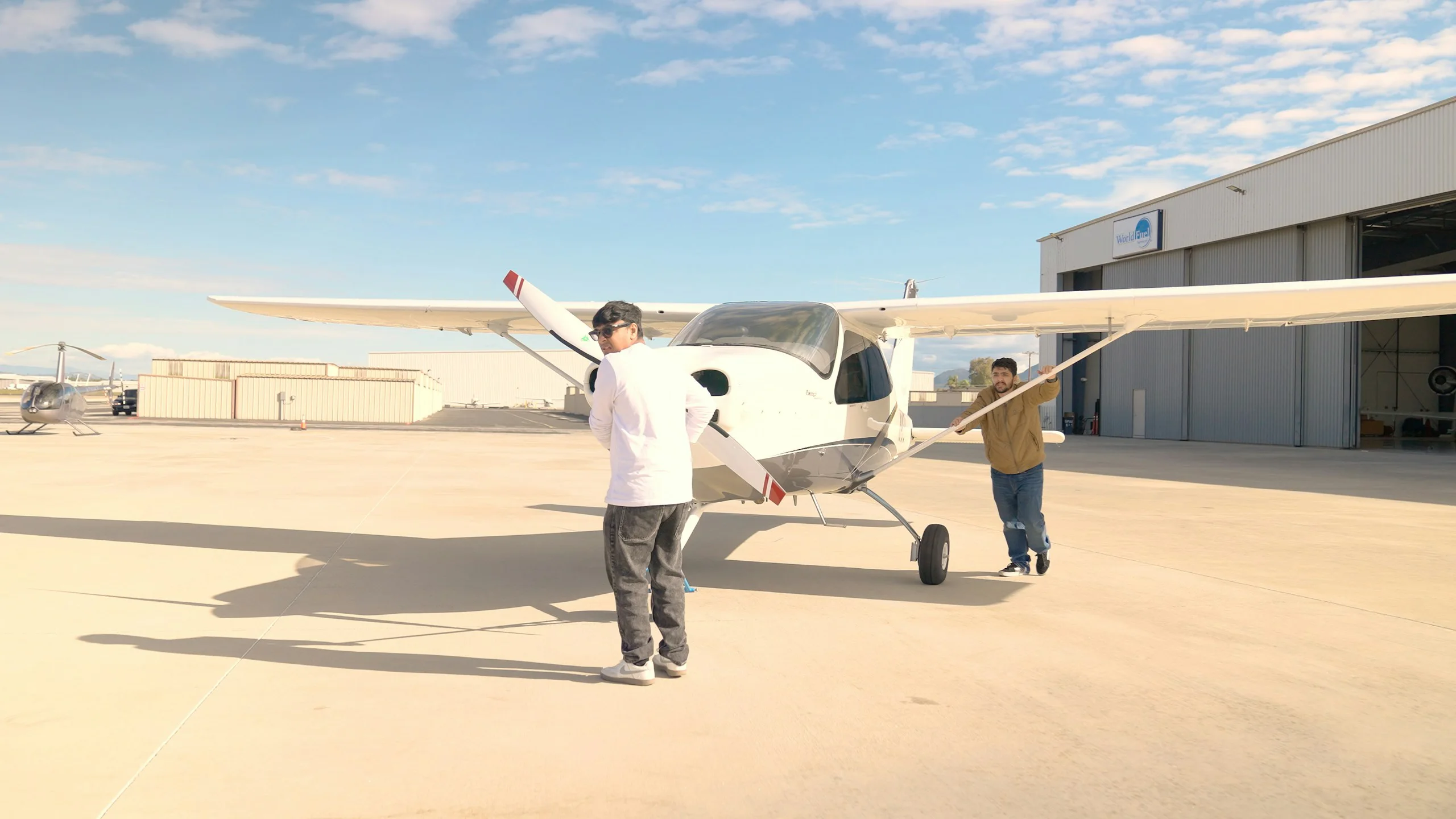
Partner flight school, Queensland region
- Licence
- CASA CPL
- Hours
- 150–200 h minimum, by course type
- Duration
- 16–22 months
- Course fee
- AUD 90–130k≈ ₹60–86 lakh (estimate)
Choose your country
We show your regulator, the route home for your licence and costs in your currency.
Your choice is remembered on this device.
Not listed? Talk to us
Train at partner flight schools operating under CASA in Australia, with disciplined operations, controlled and uncontrolled airspace and a safety culture that shapes airline-ready habits from your first lesson. We match you to the right school, prepare your visa file and plan your licence route home.
For students from India: Fees below are shown in AUD, INR, with training, living costs and licence conversion through DGCA.
PAWhy abroad

Facts from CASA rules and official sources, checked 9 Oct 2026. Training is delivered by independent partner flight schools.
Hours and ages are CASA rules; the timeline is a Pilots Assist estimate. Rules change, so confirm with CASA.
PAPartner schools
Schools are named only once they agree to it. Your shortlist names each school, its aircraft and its fees before you pay a deposit.
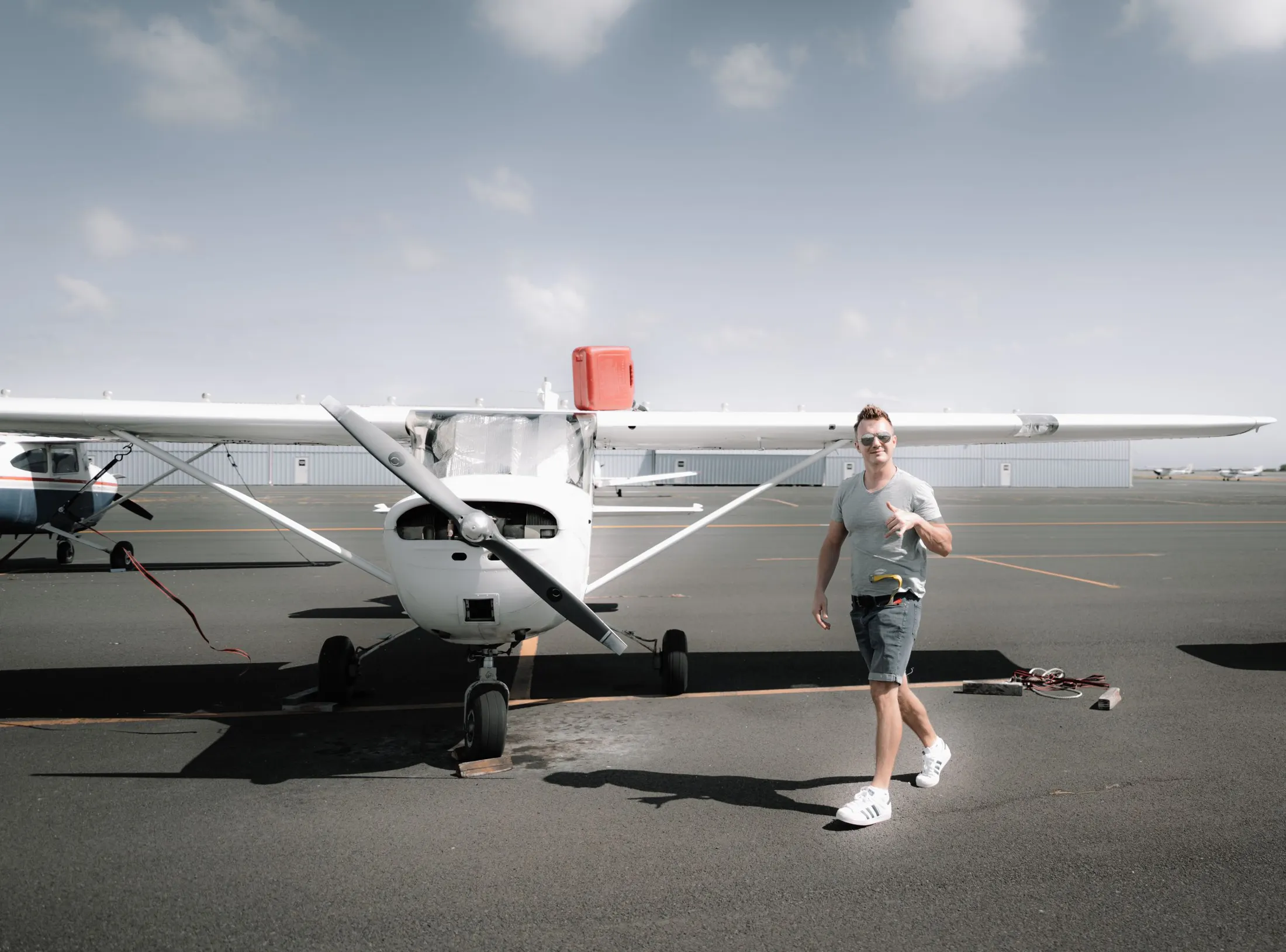
Applying from India
Train in Australia and plan your DGCA conversion from day one.
PAProgrammes
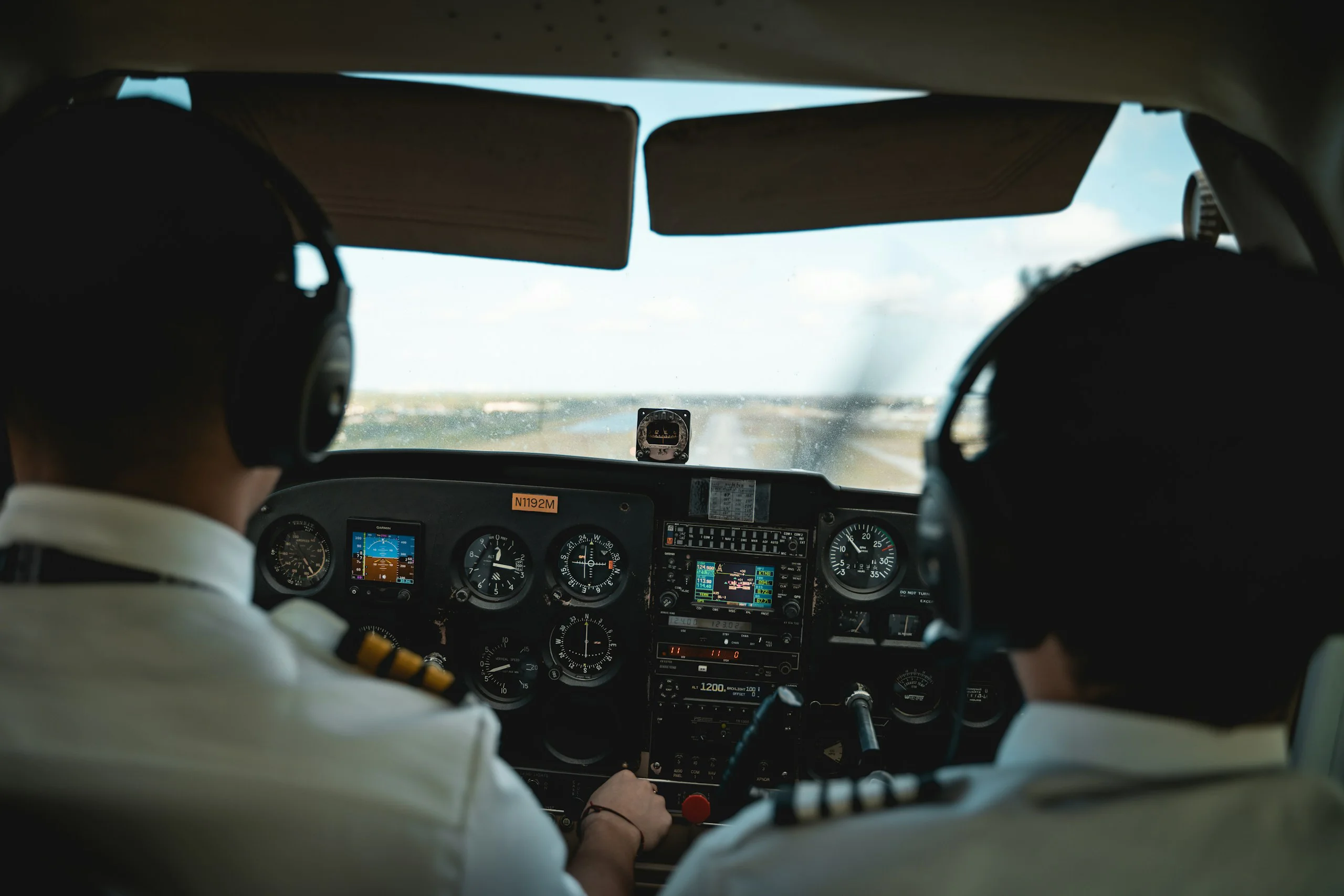
CPL training abroad with Pilots Assist beside you, from counselling to licence.
View programme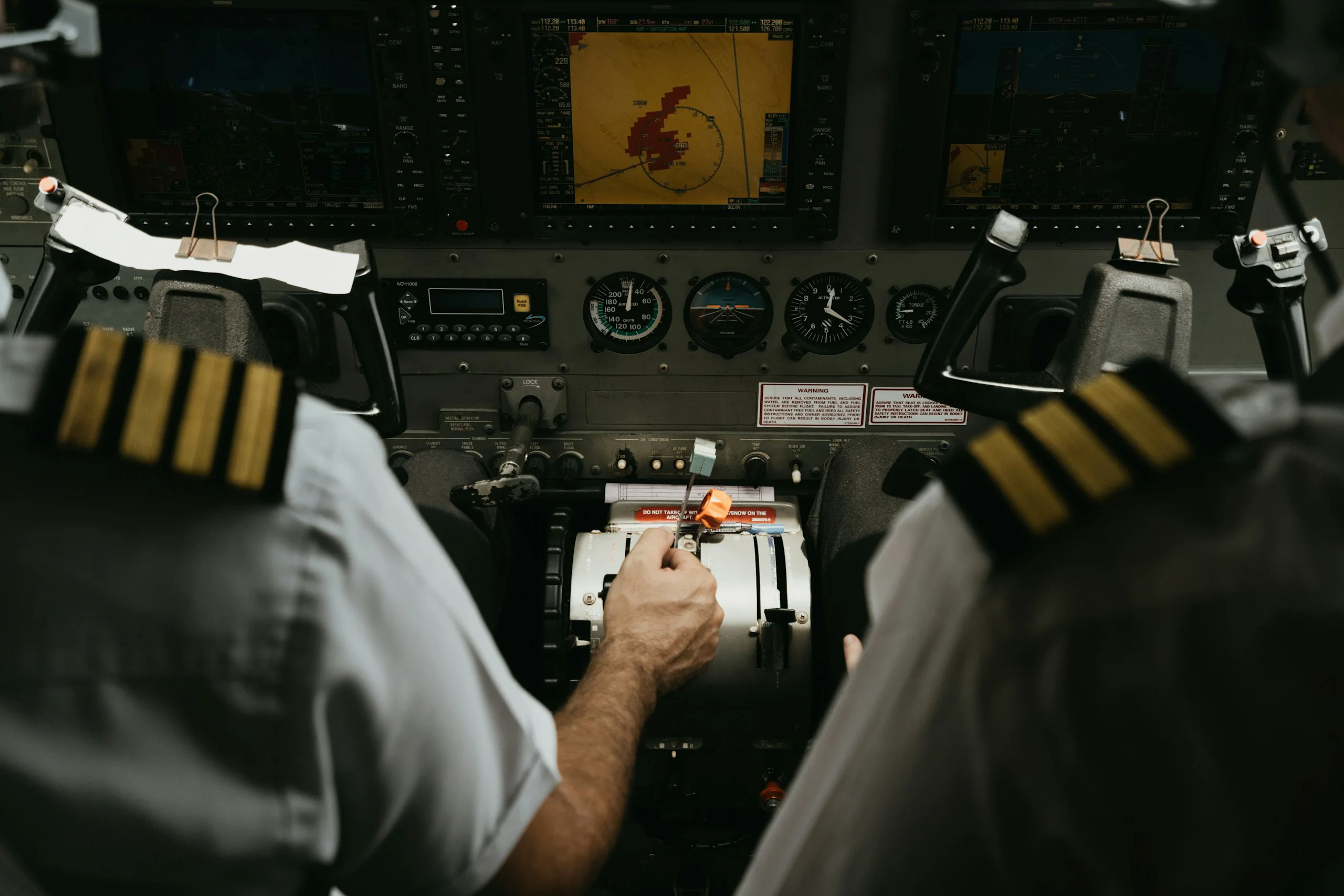
Plan your conversion with DGCA before you start training.
View programme
Airline type-rating training after your licence, with honest advice on hiring odds.
View programme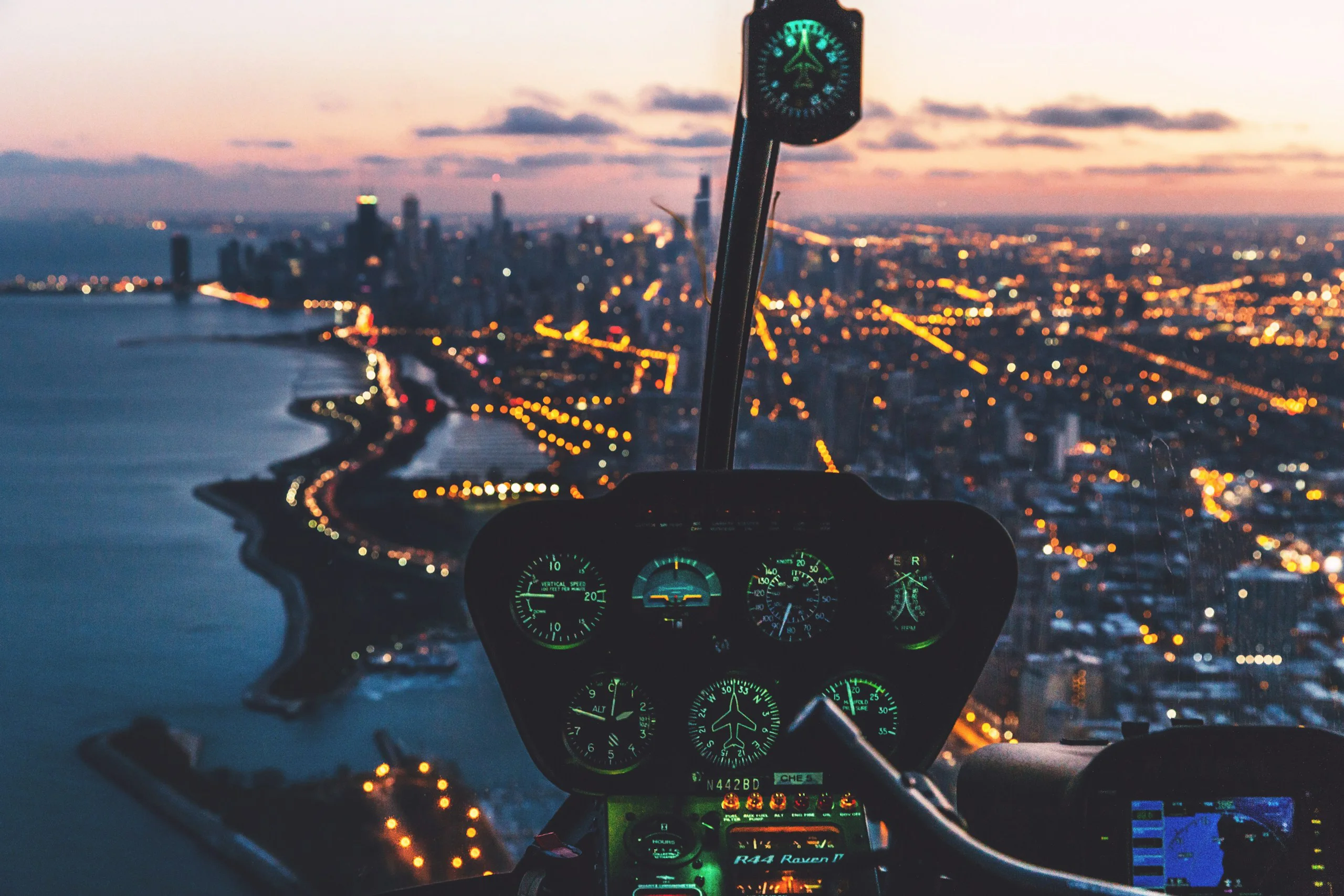
On request, subject to confirmed availability.
View programmePACosts
Indicative ranges for students from India, shown in AUD, INR.
CPL course fee, CASA licence
Per month, plus one-off costs
The visa sets a minimum of about AUD 2,475 a month. Living costs are university budgets for the same region, accessed 9 Oct 2026; a flight student's costs vary by base.
PAFunding
CPL training · Type ratings · Ground classes
Help preparing loan applications, collateral and non-collateral routes, with disbursement planned against school fee stages.
Check loan eligibility
PASafety
Each partner school operates under its national regulator.
Each school's safety and fleet reviewed before we place anyone.
Instructor availability checked against the intake.
Help with accommodation questions on arrival and after.
An advisor who knows your file and steps in whenever you need support.
Medical emergencies, visa and money-transfer issues.
PAMoney milestones
PAJoin the call
PAWhere you fly
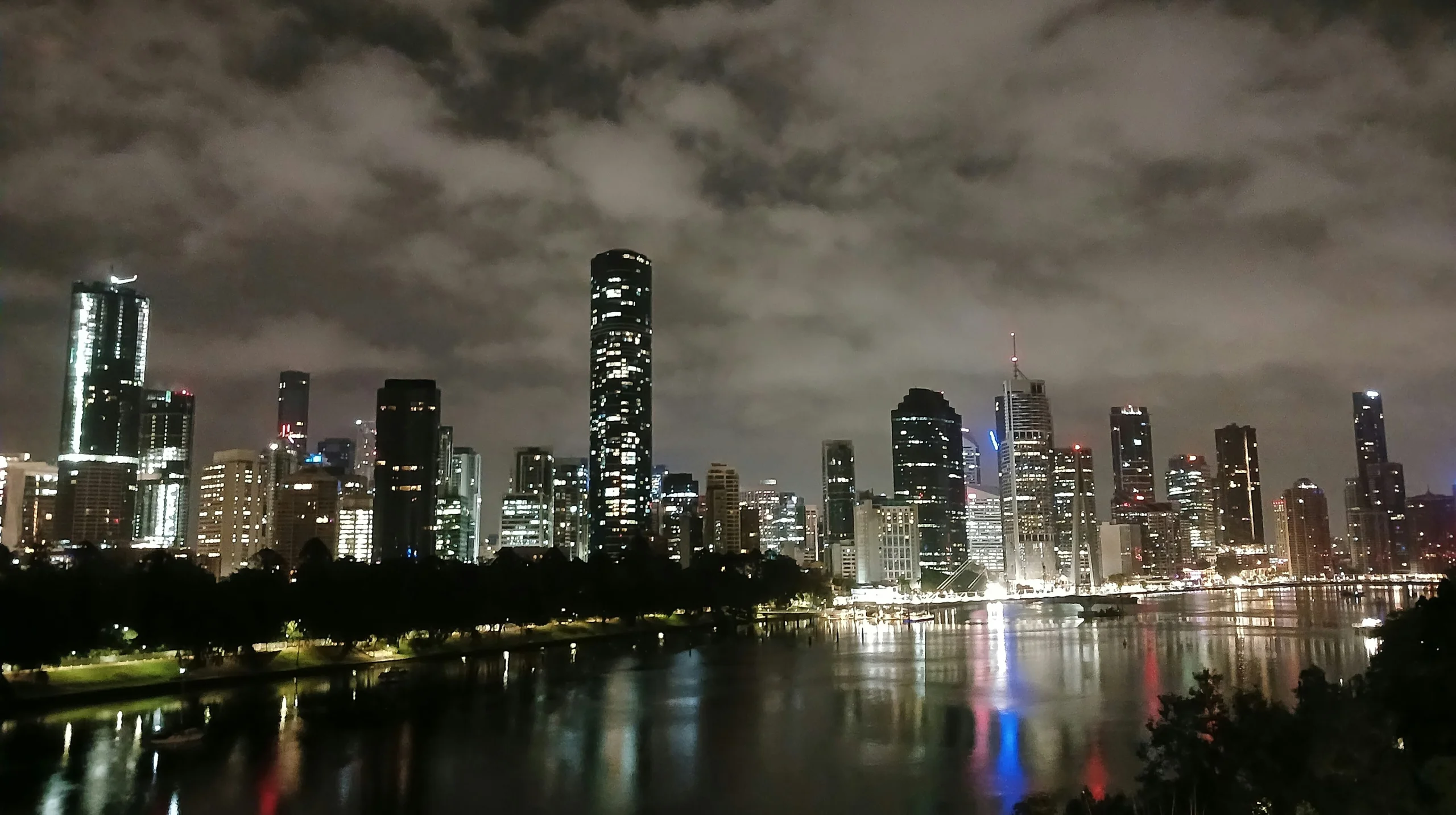
Partner flight schools here train to the CASA standard. Your shortlist shows the base, the airfield and where you would live.
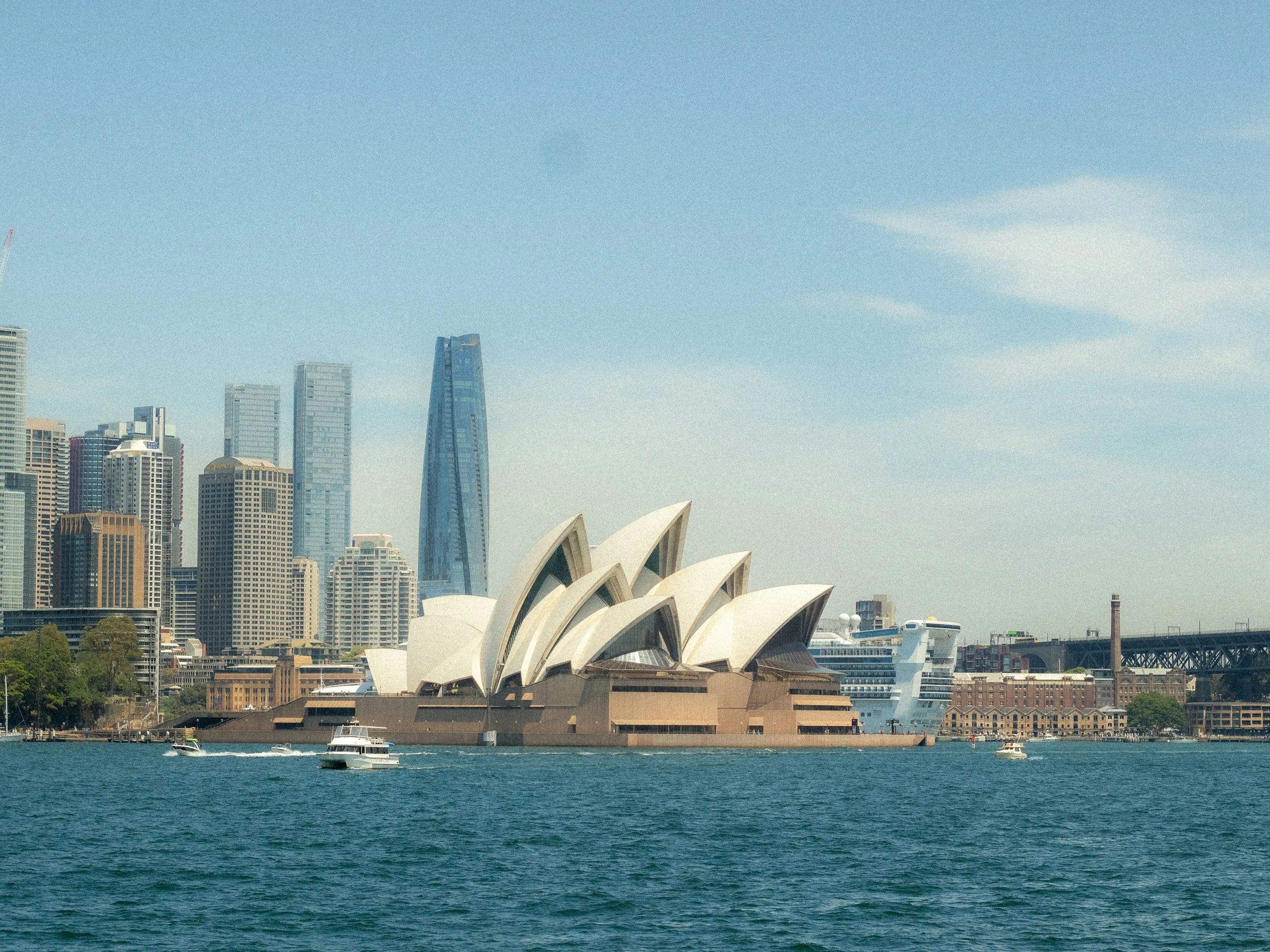
Partner flight schools here train to the CASA standard. Your shortlist shows the base, the airfield and where you would live.
PAStart dates
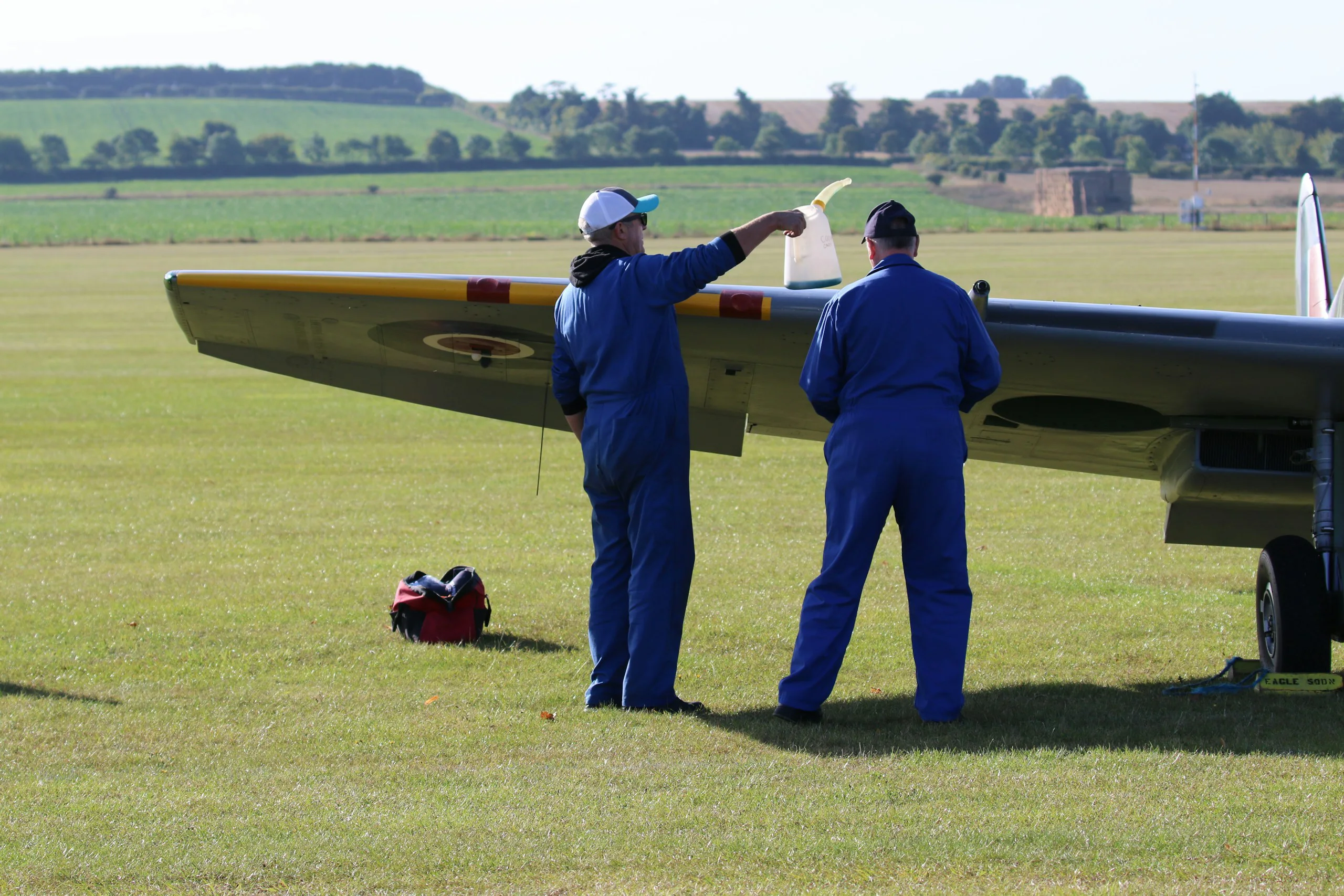
Rolling intakes, ask the cadet desk for the next start date.
PAEligibility
General guidance from CASA rules. Your advisor checks your own case.
PAHow it works
PAVisa
Student visa (subclass 500); course must be with a CRICOS-registered provider.
General guidance only. Requirements change; we guide you, with no visa promises. Official source: Student visa (subclass 500): Home Affairs.
PALicence conversion
Your CASA commercial pilot licence is issued in Australia. To fly commercially at home, you then convert it with DGCA.
What DGCA asks for · checked against official sources
Foreign ICAO CPL converted under DGCA CAR Section 7 Series G Part I: Indian Class 1 medical, RTR(A), DGCA papers (Air Regulations and Composite: Air Navigation + Meteorology), licence/logbook verification with the issuing authority, then a skill test in India.
Official source: dgca.gov.in
We check the current DGCA requirements with you and plan your training records for conversion.
Your logbook is kept to the standard your conversion needs.
We guide you through the process, and DGCA decides the outcome.
PAQuestions
Our current range for the CPL course is ₹60–86 lakh (estimate) (school fees are set in AUD: AUD 90k–130k), plus living costs, shown above. Your costed plan replaces this with real school quotes before any deposit.
16–22 months is a typical Pilots Assist estimate. Weather, aircraft availability and your own pace set the real timeline.
150 hours aeronautical experience after an integrated course (Part 142 operator), or 200 hours on a non-integrated course (CASR Part 61, regs 61.590 / 61.610).
Converting a CASA licence with DGCA, in outline: Foreign ICAO CPL converted under DGCA CAR Section 7 Series G Part I: Indian Class 1 medical, RTR(A), DGCA papers (Air Regulations and Composite: Air Navigation + Meteorology), licence/logbook verification with the issuing authority, then a skill test in India. We guide you through the process, and DGCA decides the outcome.
No. We prepare your visa file with you and plan your career steps honestly, but visas are decided by the authorities and jobs by airlines.
Pilots Sky Lend education-loan support helps students from India prepare loan applications for CPL training, type ratings and ground classes, with disbursement planned against school fee stages.
The Civil Aviation Safety Authority (CASA). Our partner schools train in Queensland and New South Wales.
150 hours after an integrated course, or 200 hours on a non-integrated course. If you will convert to an Indian licence, we plan for DGCA's 200-hour minimum and experience mix.
A Student visa (subclass 500), and your course must be with a CRICOS-registered provider. You need a Confirmation of Enrolment, Overseas Student Health Cover and proof of funds, and you must meet the Genuine Student, English, health and character requirements. The government's living-cost figure can change, so we check the latest number with you.
Yes, the student visa allows up to 48 hours per fortnight while your course is in session. Flight training is demanding, though, so we suggest you do not rely on work income to pay for it.
A CASA Class 1 medical after examination by a Designated Aviation Medical Examiner, and at least a Class 2 before your first solo. If you are from India, we suggest completing your DGCA medical first.
CASA requires an Aviation English Language Proficiency assessment at Level 4 or above. Your school arranges this during training.
As a rough guide, about AUD 2,500–4,000 a month, based on a university estimate. Training costs are in our cost calculator.
You can apply directly, and some families do. What we add is a second pair of experienced eyes on your side of the table: we compare schools and destinations honestly, prepare the admission, loan and visa paperwork with you, and plan the licence your child will need back home from the very first day. Once training starts, your child has one named advisor and our cadet desk, and after the licence we help with airline applications, OJT programmes where available and licence conversion. In short, your child never has to work the system out alone.
No. Counselling is free and there is no deposit to talk to us. You and your child can ask every question you have, compare destinations and see a plan before deciding anything. We would much rather you decide slowly and confidently than quickly and with doubts.
Flight training is closely regulated: every partner school trains under its national aviation authority, such as the FAA, SACAA, CASA, CAAP or the EASA system, which sets rules for aircraft maintenance, instructors and training. We properly vet every partner school before we suggest it. You receive the school's ATO or Operating Certificate, and we show you how to check with the regulator that it is valid. If you ever have a safety concern during training, your child's advisor and our cadet desk are a call away.
The flight school receives all training fees, and you pay the school directly, on the school's own easy payment plan. Pilots Assist does not hold your training money. Before each instalment, your advisor explains what it covers and checks it against your plan, so you always know where your money is going and why.
The full cost includes tuition and flying, exams and licence fees, medicals, visa and travel, health insurance, accommodation, food and transport, and licence conversion back home. Our cost calculator shows current estimates for each destination in your currency, and your advisor builds a written plan for your child's exact route. We also help you set aside a sensible buffer, because retests, weather or extra lessons can add cost. Conversion fees at home are separate and paid to the training organisation and the aviation authority.
Yes, we strongly suggest it. Airline pilots need a Class 1 medical, and checking this first means you only commit money once you know your child meets the standard. For students planning to fly in India, DGCA's process starts with a Class 2 medical and then a Class 1 initial examination at a DGCA-designated centre. Your advisor explains the steps and where to go.
Families in India can use Pilots Sky Lend, our education-loan application support, which covers CPL training, type ratings and ground classes. We help you choose between routes, prepare a lender-ready file and plan disbursements around the school's fee stages. Families in other countries get loan guidance on how training is usually funded there.
Your child can contact our cadet desk, and their named advisor knows their situation in detail. We help them reach the right people quickly, whether that is the school, a doctor, insurance or local services, and, with your child's consent, keep you informed. Health insurance is part of every plan, and we check it is in place before departure.
We use a small number of cookies. Some are necessary for the site to work. With your permission, we also use cookies that tell us which campaign brought you here, so we can measure our advertising. You can change your choice at any time. See our privacy policy.