IndiGo Cadet Pilot Program: Cost and 5 Mistakes to Avoid
How IndiGo's cadet pathway actually works, who qualifies, and what it really costs.

PilotsAssist Editorial Team
Pilot training pathway research and student support
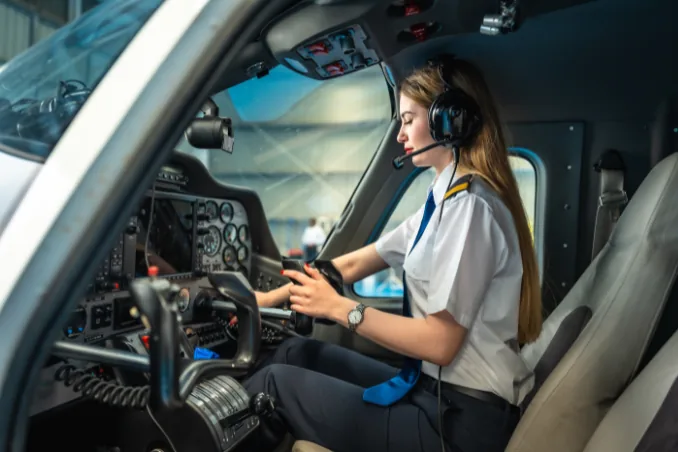
The IndiGo Cadet Pilot Program is run by Chimes Aviation Academy (CAA) in partnership with IndiGo, India's largest airline by fleet size. Unlike self-funded training, where you train first and job-hunt afterward, a cadet programme selects you before training starts — the airline is committed to your outcome from day one, which is both its main advantage and the reason its selection process is more demanding than a normal flying-school application.
Who can apply to the IndiGo Cadet Pilot Program
10+2 with Physics and Mathematics, minimum 60% in PCM
Age between 18 and 30
Indian national or OCI, with a valid passport
No prior aviation qualification required — the programme is designed for genuine beginners
Able to meet DGCA Class 1 Medical standards, or demonstrate the clear ability to
What the programme actually covers
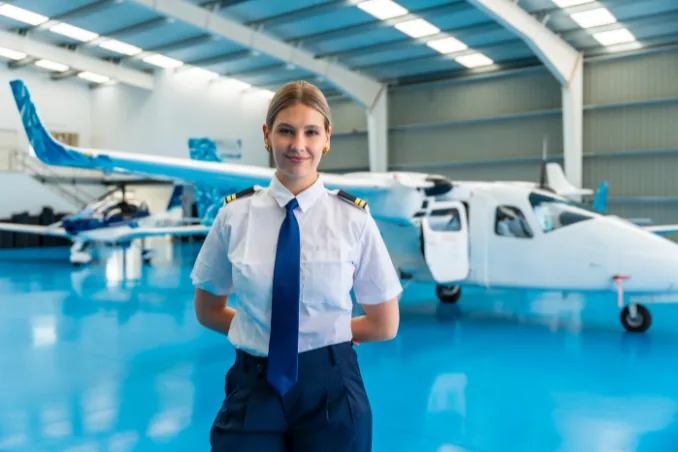
It's a full-time, roughly 20-month programme covering ground school for the DGCA and WPC examinations, Commercial Pilot Licence flight training, multi-engine training, simulator training, and an Airbus A320 type rating — the aircraft type IndiGo actually operates. Flight training runs at CAA's own air bases, on a fleet that includes Cessna 172, Piper Archer DX, Tecnam P2010 and Diamond DA42 aircraft.
What it costs
Chimes Aviation Academy's own published fee for the programme is ₹104 lakh, with a separate ADAPT assessment fee. Treat that published figure as the reference point — confirm the current number directly with CAA before budgeting, since programme fees are reviewed and can change between intakes.
The selection process
Selection is multi-stage and assesses more than academics — technical aptitude, psychological stability, communication skills and airline readiness are all tested before an offer is made. Because IndiGo is involved in selection itself, clearing it means the airline has already effectively pre-approved you as a future first officer, which is the core trade a cadet programme makes: a longer, more selective front door, in exchange for a shorter path to a confirmed airline seat at the back end.
Cadet programme vs. self-funded training
A cadet programme is not automatically the better choice — it's a different trade-off. Self-funded training costs less upfront in most cases, keeps your airline options open at the end, and doesn't require clearing an airline's own selection bar before you've flown a single hour. A cadet seat trades that flexibility for near-certainty of outcome, provided you clear the process. Which one fits depends on your finances, risk tolerance and how confident you already are that airline flying, specifically, is the right path.
5 mistakes to avoid before applying to the IndiGo Cadet Pilot Program
Applying without first confirming your PCM percentage genuinely meets the published cutoff
Treating the ₹104 lakh figure as fixed, instead of confirming the current fee directly with CAA
Underestimating the selection process — psychological and aptitude stages eliminate as many candidates as academics do
Assuming a cadet seat guarantees a JFO role regardless of performance through all 20 months
Not comparing the full cost and timeline against self-funded training before committing either way
The IndiGo Cadet Pilot Program rewards applicants who treat it as a genuine selection process, not a paid course they're guaranteed to complete — cadets who are dropped partway through still owe the fees for stages already delivered, which is a real financial risk worth weighing before you apply and budgeting around, not something to discover partway through the programme once the first instalment has already been paid.
If you're weighing a cadet programme against self-funded training, our finance and funding overview covers what a self-funded route typically costs by comparison. Get in touch if you want help comparing the two for your own situation.